Home / Thirty changes / Almost nothing of the shape left / Down the Dalmatian islands
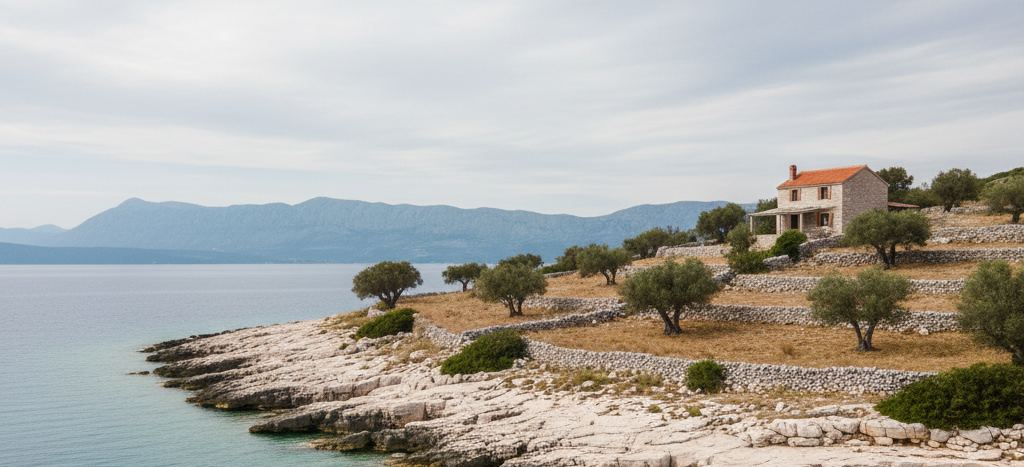
Croatia in the shoulder months
The car goes and one base becomes six when you reserve a Dalmatian islands trip in shoulder season
One base becomes six. Eight nights become twelve. The hire car is gone, and the crossings between the six are ferries you buy yourself at a kiosk on the quay. That is the whole departure from the house shape, and it costs $740 more for two people. Speak to the office first, or reserve a Dalmatian islands trip in shoulder season; the timetable comes with the quote.
| What it breaks | six bases, twelve nights, ferries you buy yourself |
|---|---|
| Nights | 12 instead of 8 |
| Places you sleep | 6 |
| Car | no hire car |
| From where you land | 3 hours |
| Season | shoulder |
| People the figure is built on | 2 |
| How far from the shape | almost nothing of the shape left |
| Two sharing pay | from $3,080 |
The single base, the eight nights and the car all go
Three parts of the house shape come out at once. The single base goes and six replace it. The eight nights go and twelve replace them. The hire car goes and nothing replaces it: the moves between the six are ferries and fast boats you buy yourself, at a kiosk on the quay, usually on the morning you sail. What that leaves is a trip built around a timetable instead of a set of car keys. You reach the mainland coast, cross to the first island the same afternoon, and from then on the shape of each day is set by which boat leaves and when. About three hours pass between landing and the first apartment door, most of it on the water or in the queue for it. The cost of the change is $740 for two people, and four more nights. Everything else in the house shape holds. Shoulder season, two of you, out every day and back to the same bed, except that the bed changes five times.
Six bases, six sets of stairs
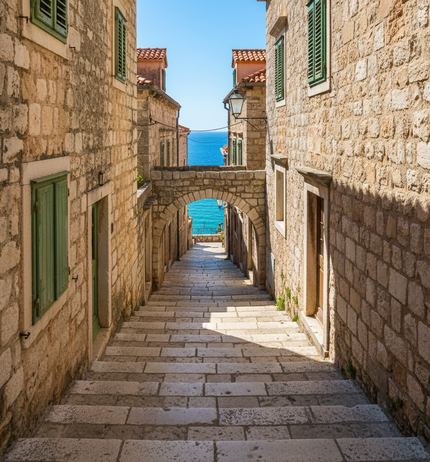
The islands are stone and the towns were built before wheels mattered. In Korcula, Hvar town and Komiza the old centres are closed to vehicles, so the last two hundred metres of every arrival are done on foot over limestone flags polished by several centuries of the same walk. Apartments sit on first and second floors up narrow interior stairs. Lifts are rare enough that you should assume there is not one. That is five transfers with luggage rather than one. Two soft bags between two people is the size that works. A hard case on four wheels is a poor instrument on a stepped lane, and the fast boats stack luggage in a rack by the door rather than under the deck. Hosts meet you with keys instead of staffing a desk, so arrivals are arranged by message an hour or two ahead and depend on the boat running. Departures are usually before ten. Between a ten o'clock handover and a mid afternoon sailing there is a gap of four or five hours, and every host we use will keep bags in a hallway during it. We ask them in writing before you go, and we tell you which ones said yes.
Crossings are yours to buy
This office arranges no carriage by sea and holds a contract with no carrier, so the crossings are not part of what you are quoted. You buy them yourself. It is worth knowing how the network is shaped before you agree to six bases. It is a hub. Most routes run from the mainland port out to one island and back again, and a fair number of island to island moves are made by returning to the mainland for an hour in between. Two of the five legs here work that way. The slow car ferries carry foot passengers cheaply and take between fifty minutes and two and a half hours. The fast boats halve that and cost roughly double, in the low to middle teens of euros a person. The timetable decides the trip. Summer frequencies end in the last days of September, and on the smaller routes a service that ran four times a day drops to one, sailing early. Tickets for the short hops are sold at a kiosk on the quay an hour or two before departure and cannot be bought further ahead; on the longer fast routes they can be held online, and out of season they rarely sell out. We send you the published timetable for your exact dates, with the two legs that have a single sailing marked.
A day on the ground
Days here are short walks and long swims rather than sights. The sea is around twenty two degrees in the first week of October and about nineteen in late May, which is swimmable for an adult without ceremony and cold enough to end the swim on its own terms. The coast is limestone. No sand, few handrails, and shoes you can walk into the water with are the most useful thing in the bag. Inland is terraces, olives and dry stone walls, and the paths between them are old field tracks with loose footing. An hour of that covers two and a half or three kilometres, not five. On the larger islands the roads are long and slow. Hvar runs sixty eight kilometres end to end, and the bus that crosses it goes twice a day, timed to meet boats rather than people. Shops shut for the afternoon in most of these towns and open again around five. Kitchens serve dinner from eight. Between one and five the towns are quiet and warm even in the shoulder months, which is when most people swim, and it is the part of the day the itinerary leaves alone.
Wind, and what it does to twelve nights
Two winds matter. One comes off the mountains from the northeast in dry gusts under a clear sky. The other comes up warm from the southeast with rain and a long swell. Both are more common in October than in May, and neither is unusual in either month. What they do is stop fast boats. The small catamarans tie up in conditions the older car ferries still work in, so a cancelled crossing is often a four hour wait for a slower vessel rather than a lost day. On the outer routes there is no slower vessel that day, and Vis, Lastovo and the far end of Mljet are the places where a night can genuinely be lost. We plan around that instead of promising against it. No leg of this itinerary depends on catching two boats in one day. The two most exposed moves sit on days where the following night is flexible, and the hosts for those two nights are asked in advance what they do about a late arrival or an empty room. Their answers differ, and you get all of them before you agree to the dates. We cannot say the weather will hold, and we do not.
Who it suits, and what $3,080 covers
It suits people who like arriving. Six arrivals in twelve nights means six first evenings, six walks around an unfamiliar block before dinner, and six mornings on which you already know where the bakery is. This is the shape that has six of those in it rather than one. It suits nobody travelling with a person who cannot carry their own bag up two flights. It is wrong for anyone who wants the same swimming spot twice, and wrong for anyone who needs one address for twelve nights, for work or for anything else. For a first trip to the country, the one base version does the same swimming with five fewer moves; which of those you want is not a thing we will decide for you. From $3,080 covers twelve nights for two across the six apartments, the local agency that holds the keys, the transfer from the airport to the first quay, and our work on the timetable. It does not cover the crossings, the national park ticket on Mljet, the nightly visitor tax the hosts collect, meals, or your own way to and from the coast. Money never passes through this office in either direction. You settle with each host on their own paperwork, no card details reach us at any stage, and our fee is a percentage the six of them release out of their own takings once the twelve nights are over.
Awkward questions about this change
- Will you buy the ferry tickets for us?
- No, and we could not if you asked. The companies that run these routes sell to the passenger and to nobody else, we have signed with none of them, and no ticket can be issued in this office. What we do instead is send the published timetable for your exact dates, mark the two legs that have a single sailing, tell you which counters open when, and check the timetable again in the week before you travel in case the autumn change has moved anything. The tickets themselves you buy at the quay, or on the operator's own site where that route allows it.
- Six islands in twelve nights sounds like a lot of moving. Can we do it in four bases?
- Yes, and it becomes a different trip rather than a shorter one. Four bases over twelve nights gives three nights in each, one full day on every island that is neither an arrival nor a departure day, and two fewer crossings to buy. The price moves by roughly ninety dollars either way depending on which two you drop, because the apartments are not priced alike. Tell us which islands you would keep and we will send both versions with the timetable set beside each, and you can sit with the two of them for a week before choosing.
- If a boat is cancelled and we lose a night we have already paid for, what happens?
- You may simply lose it. The hosts are private owners rather than a chain and their positions differ: one holds the room and lets you arrive a day late at no charge, two charge the night, one wants a message by nine in the evening. We collect those answers in writing before you commit and hand them over as part of the itinerary, so the exposure is a known number instead of a surprise on a quay. On the two most exposed legs the following night is deliberately left loose. We cannot make the wind a solved problem, and we will not sell you something that pretends to.
- Could we take a hire car and put it on the ferries instead?
- You could, and then this is not the trip you are on. The fast boats carry no vehicles at all, so a car confines you to the slower routes and their sailing times, and it adds a vehicle fare several times the foot fare on every leg. It also has to be parked six times in towns whose centres are closed to cars, which in Hvar town and Korcula means a paid lot outside the walls and the same walk with the same bags. If you want a car, the version worth looking at is two islands over twelve nights with a car on each. Ask and we will price that one.
- Is shoulder season a polite way of saying half of it is shut?
- Partly, and it is worth being exact about which half. On the two smallest islands a good number of kitchens and rental places close between the middle of October and Easter, and the ones that stay open cut their hours rather than their days. Through the first three weeks of October the towns still work: a bakery, a grocer, two or three kitchens serving in the evening. Late May is the same thing running the other way, opening rather than closing, with cooler water and longer light. We send nobody to the smaller two after the twentieth of October.
Others that move the shape about as far
There is no package on this site that somebody has not already asked for, and the thirty in the book are the requests that came back more than once.
-
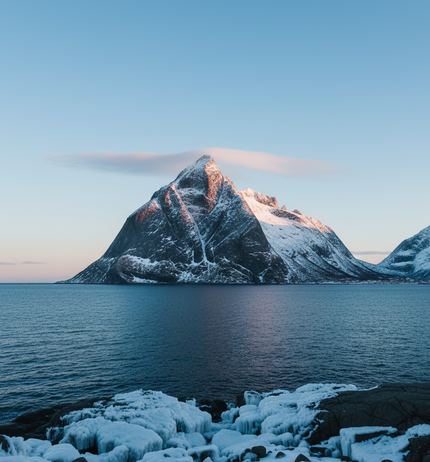
Lofoten in the dark months
Norway · four bases, seven nights, no daylight to speak of
from $3,960 two sharing almost nothing of the shape left -
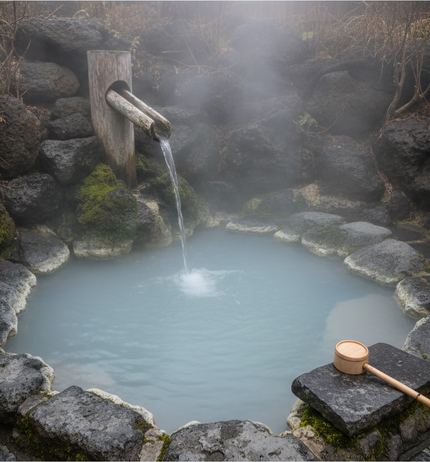
Kyushu, the hot spring line
Japan · six bases, sixteen nights, trains, no car, no fixed bed
from $5,240 two sharing almost nothing of the shape left -
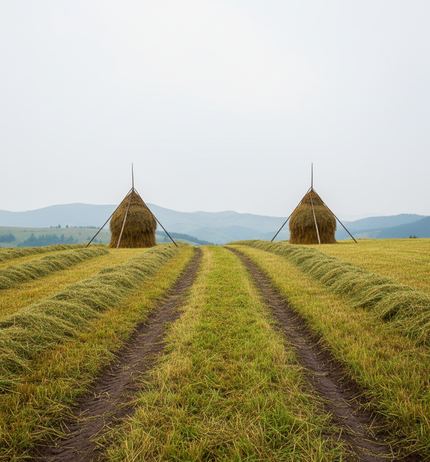
Across the Carpathians on foot
Romania · nine bases, walking, luggage moved for you
from $3,180 two sharing almost nothing of the shape left -
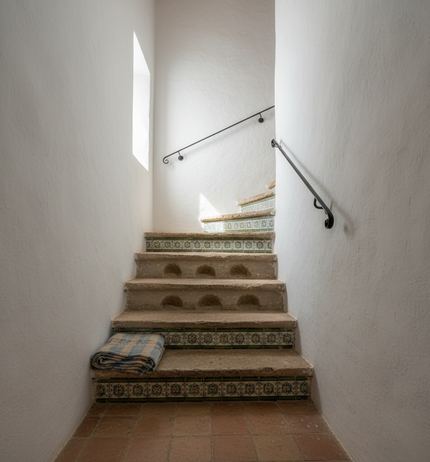
The white towns, one town at a time
Spain · seven bases, fourteen nights, buses
from $2,960 two sharing almost nothing of the shape left -
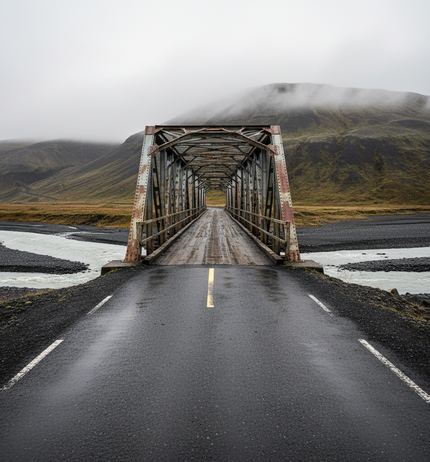
The ring road out of season
Iceland · eight bases, nine nights, driving every day
from $4,180 two sharing almost nothing of the shape left -
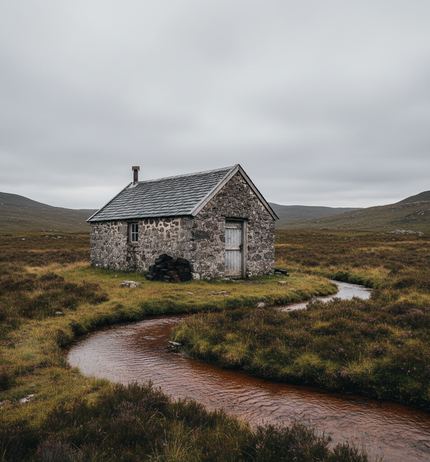
The northwest of Scotland, bothy to bothy
Scotland · eleven bases, twelve nights, carrying your own bed
from $2,870 two sharing almost nothing of the shape left
Ask for this change in writing
Not a cent moves through here. The supplier bills you under its own name, and what this office earns reaches it from that supplier weeks later.