Home / The house shape
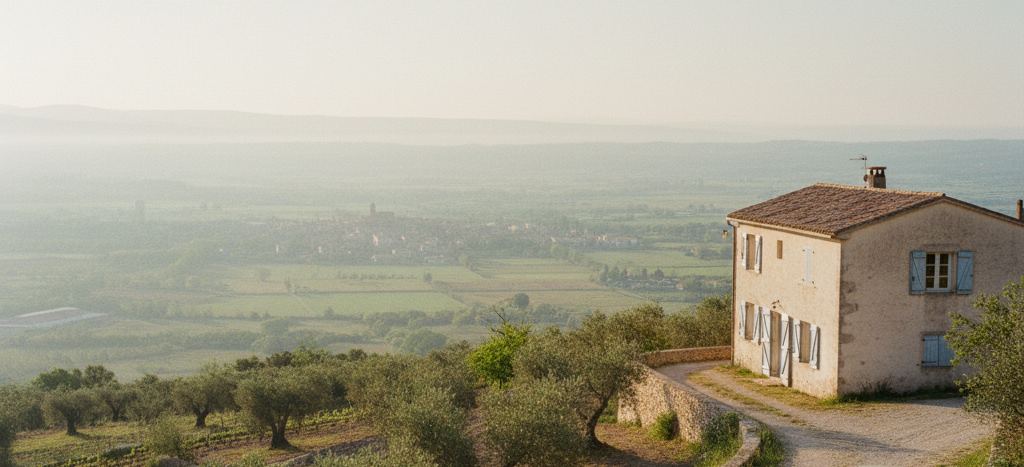
The shape everything else in the book is measured against
Eight nights, one base and one car are what you get when you book a vacation package with a Birmingham travel agent
Cedar Passage sells one holiday by default: eight nights, one base you unpack into once, a hire car, two hours from where you land, shoulder season, two people, from $2,340. Everything else in the book is that shape with a named part taken out and something else put in. To book a vacation package with a Birmingham travel agent, start here.
The house shape, in full
- eight nights
- one base
- a hire car
- two hours from where you land
- out every day and back to the same bed
- shoulder season
- two people
from $2,340 for two sharing
Why eight nights and not five
Eight nights is seven whole days with a half day at either end, and the half days are already spoken for. The first goes on landing, the drive and the first shop. The last goes on packing and getting back to the airport you flew into. That leaves seven, and the seventh is what the number is for: with seven, a whole day can go on nothing at all, sitting in the yard with a book while the sky does what it likes, and the week still holds the shape it had on paper. Five nights holds different arithmetic, three whole days rather than seven, and the office arranges shorter weeks too, on their own pages, for people whose reason for going is one thing rather than several. Fourteen nights does not stretch this week, it changes it. The second week from one base is a quieter, more domestic thing with laundry in it and opinions about the bakery, and it wants a different house and often a different traveller. That version has its own page as well. Eight was not picked because it sounds generous, and it is not a round figure dressed up as an offer. It is simply the smallest number in this book that leaves a day spare.
One base, opened once
Moving costs more than the driving time between the two places. Every change of base takes a morning to leave and an afternoon to arrive, and in between there is the whole business of learning a house again: where the shop is, which bin goes out and when, how the shower runs, whether the parking is legal after nine. Two moves inside eight nights turns roughly two of your seven days into travelling days. One base means the case is opened once and left open. It also means small knowledge builds up. By the fourth morning you know the road that is quicker before eight, the bakery that has nothing left by ten, and that the church bell is louder on Sunday. You stop being a visitor in the house and become someone who lives an hour inland for a week. Before recommending any base, the office puts the same flat list of questions to the owner or the letting agent: how many stairs, where the car actually goes, what is directly above the bedroom, whether the kitchen has an oven or only rings, how far the nearest bread is on foot, what the water pressure does when two taps run. The answers reach you in writing before anything is held. Most of them are dull. Dull is the point of them.
The car, and the two hours from where you land
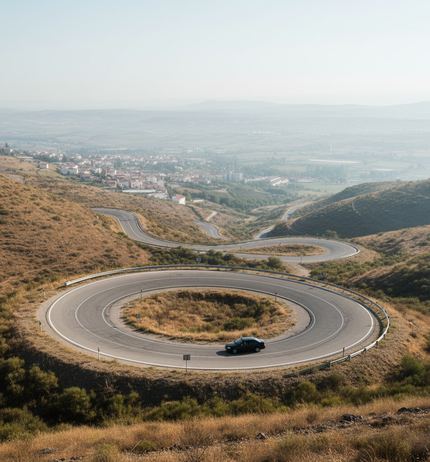
The car and the distance are one decision, not two. A base two hours inland with somewhere different to go each morning is a car shaped idea and does not survive without one. Rural buses are built for people going to work and to market: two in the morning, nothing at midday, one back at half past four, and they run to the nearest town rather than between the villages you actually want to see. The car turns a museum that is closed for restoration into somewhere else you go instead, and it carries the shopping, which matters more than it sounds when the house is up a track. Twenty minutes from an airport puts you inside the airport's own country: access roads, long stay parking, hotels built for people catching an early departure, the perimeter fence in the middle distance. Two hours is roughly where the landscape stops being organised around the terminal. It is also inside what a tired adult can drive on arrival day without the drive becoming the day. Four hours is not, and four hours quietly spends two of your eight nights on a motorway. The figure below is built on the smallest class of car with a manual gearbox, collected and returned at the airport. An automatic, a larger car or a second named driver each move it, and you are told by how much before you commit. The office arranges the car; it owns none, and the rental agreement is between you and the firm handing over the keys.
Why the price is built on shoulder weeks
Shoulder season here means the weeks on either side of the local peak, which across most of the book runs late April into early June, and September to the middle of October. Daylight runs from about seven in the morning to about eight at night, which is enough to be out all day and still eat outside afterwards. Roads that hold a queue in August hold a car every few minutes. Kitchens keep local hours because they are cooking mainly for the people who live there, so a table at eight is a table at eight rather than a negotiation. Small sites and museums are open, but on their own quieter timetable, and the office checks the actual opening hours against your actual dates before it puts anything to you, because a printed season is not the same thing as a door that opens. The weather is the part nobody owns. This office does not forecast it, does not price it, and holds no view on how early May will behave. What the shape does instead is arithmetic. Eight nights carry a spare day, so two wet days leave six dry ones; a five night week in the same weather leaves three. Neither of those is a verdict on the other, and both are worth knowing before you pick. Which of the two you would rather be holding on the Wednesday is a question the office asks early, in those words.
What $2,340 holds, and what it does not
From $2,340 covers two people sharing for eight nights: the base itself for those nights, the smallest class of hire car for the same days, and the work of matching the two to each other and to your dates. From means from. It is the honest bottom of the range, at the quiet end of the shoulder weeks in the plainer houses, and it moves with the dates, the airport, and how far up the track you want to be. The real number reaches you in writing before anything is held, with the parts listed separately so you can see which one is doing the moving. It does not include your own flights, which stay yours to choose, to pay for and to change. It does not include fuel, tolls, parking, food, entry to anything, or the deposit the car firm blocks at its desk. No money reaches this office at any point in the process. You pay the house and you pay the car firm, each in their own name and on their own paperwork. Cedar Passage is paid afterwards by those suppliers out of their own side of the arrangement, at a rate that does not vary from one shape in this book to another, so nobody here gains anything by talking you into a longer or a larger one. There is no card field anywhere on this site, and nobody here will ask you to read a card number aloud.
Who the standard does not suit
The shape is wrong for plenty of people, and it is faster to say so now than to find out in June. It does not suit a party in which nobody wants to drive, since the two hours and the daily radius both rest on the car. It does not suit a trip whose real subject is one city; eight nights in a house two hours out is an awkward way to spend time in a place you could have slept inside. It does not suit school holiday dates, which sit squarely in the weeks this shape steps around. It does not suit someone who counts stairs before they count anything else, or who would rather be collected at nine each morning than think about where to park. It does not suit two weeks, three countries, a party of six, or a first trip somewhere with unlit roads and a language nobody in the car reads. Every one of those is a named part of this shape coming out and something else going in. The base stops being one base. The car goes and a driver appears. The season moves. The nights change. The two becomes four. Each of those has its own page, its own figure, and its own plain account of what changes and what the change costs. None of them is an upgrade and none is a step down. They are different arrangements, and the office would rather point you at the one that fits than sell the one it runs most often.
What people ask about the house shape
- If you sell one shape by default, am I not just being sold whatever is easiest for you?
- Partly, and it is worth stating rather than hiding. The office is fluent in this shape because it arranges it constantly: it knows which houses have the stairs they claim, which car desks are slow at nine in the morning, which tracks need a spare twenty minutes in the dark. That knowledge is real and it is why the standard is the default. It is also why every other page in the book names the part that has been removed instead of describing itself from scratch. If your trip needs three of those parts changed at once, say so at the start. The answer may be that this office is the wrong place to bring it, and you will be given that answer rather than this shape with your name written on it.
- What happens if it rains for four of the eight days?
- Then four days are wet and four are not. The office cannot tell you what the sky will do and will not put a figure on the chance. What it can do before you commit is list which of the things you want to see are indoors, which of them are open in those particular weeks, and how far each sits from the house, so that a wet morning becomes a decision instead of a scramble. The spare day inside the eight exists for this and for nothing else. It is the only weatherproofing anyone can honestly offer, which is why the office asks how you feel about rain fairly early in the conversation.
- Can the flights go in with it?
- No. Cedar Passage keeps well clear of air and water carriage, and holds no contract with a carrier, and sells no tickets of any kind. Your flights stay yours: you pick them, you pay for them, and any change or refund is settled between you and whoever sold them. The office does ask about them early, and asks two things only, which airport and what time you land. A landing at half past eleven at night with two hours of driving after it makes a poor first evening, and there is often another arrival the same day that puts you at the house in daylight with the shop still open.
- Is $2,340 the number I will actually pay?
- Only if your dates, your airport and your house all sit at the bottom of the range. It is a real figure for a real eight nights, not a decoration, but it is the floor and not an average. Move into the last week of May, or ask for the house with the view rather than the one behind it, or land at an airport with one car desk instead of six, and the figure moves with you. You see the moved figure itemised, in writing, before anything is held or arranged on your behalf, and you can walk away at that point owing nobody anything.
- The suppliers pay you. Who are you actually working for?
- You, and it is fair to ask. The money comes from the owner of the house and from the car firm, months after you are home, on terms settled with them once a year and not renegotiated for individual bookings. Because those terms sit outside your arrangement entirely, they take no notice of whether your week was eight nights or thirty one, one room or three, an hour from the airport or four. What the office does hold is an opinion about which shape fits what you have described. You get that opinion in writing, including the version of it where the honest answer is that the trip you want is not one this office should be arranging.
Where people break it first
Everything in this book is the house shape with a part taken out, and the page for each one says which part before it says anything else.
-
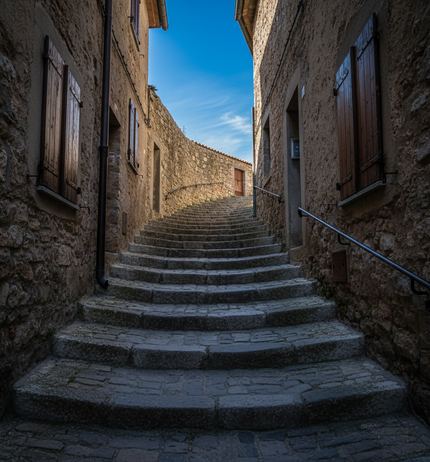
The Umbrian hill country
Italy · twelve nights instead of eight
from $2,890 two sharing one part changed -
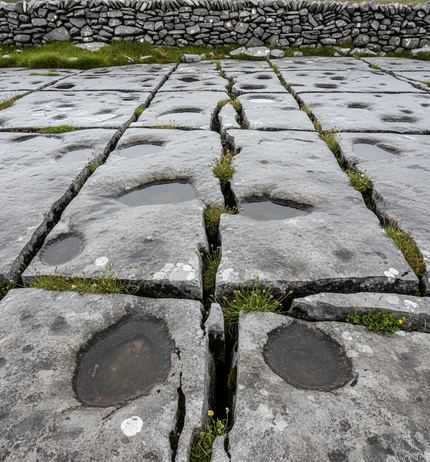
The Burren and south Connemara
Ireland · a driver instead of a hire car
from $3,140 two sharing one part changed -
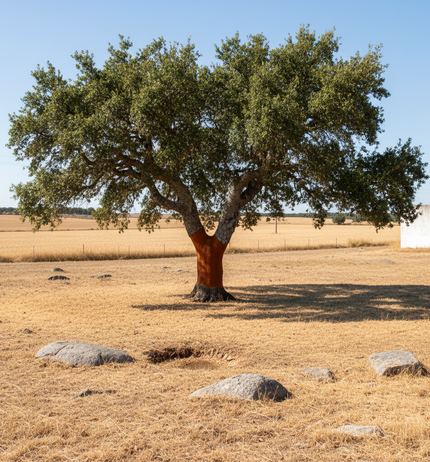
The Alentejo plain
Portugal · five nights instead of eight
from $1,690 two sharing one part changed -
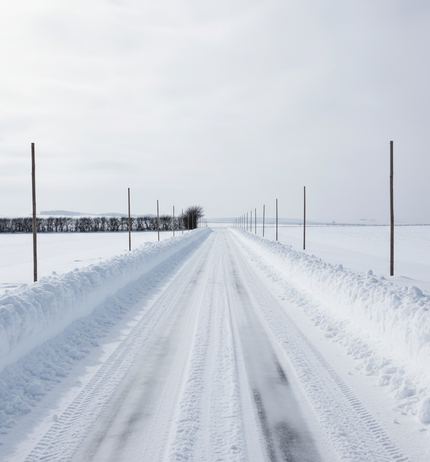
The Jura plateau
France · deep winter instead of shoulder season
from $2,410 two sharing one part changed -
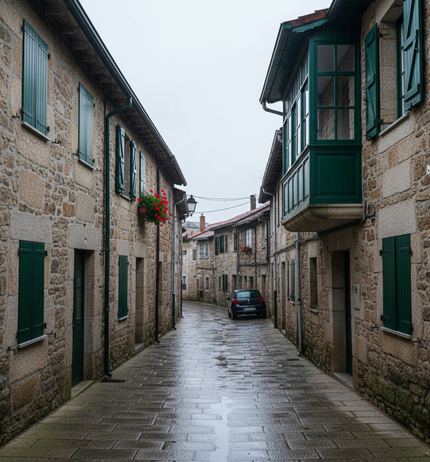
The Asturian coast road
Spain · four of you instead of two
from $2,180 two sharing one part changed -
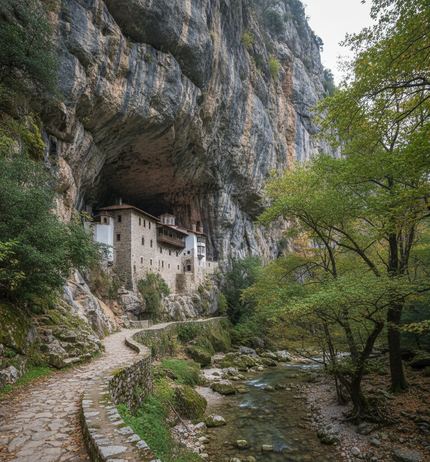
Inland Arcadia
Greece · four hours from the airport, not two
from $2,260 two sharing one part changed -
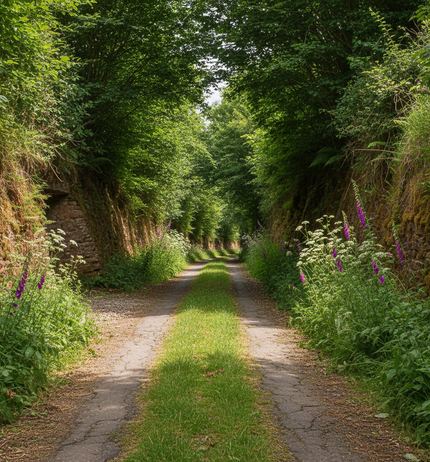
The Welsh Marches
Wales · high summer instead of shoulder season
from $2,520 two sharing one part changed -
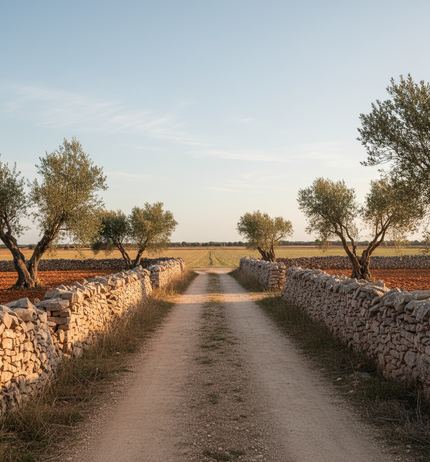
The heel of Puglia
Italy · one person instead of two
from $2,740 two sharing one part changed -
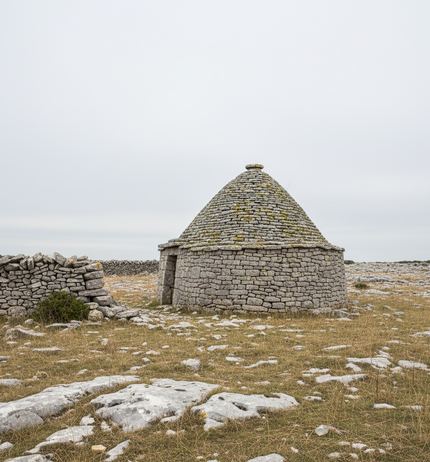
The Aveyron causses
France · sixteen nights instead of eight
from $3,880 two sharing one part changed -
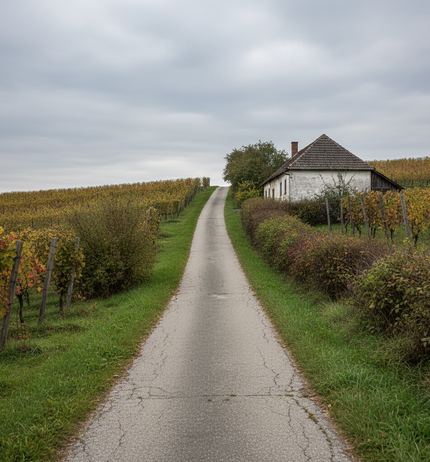
Eastern Slovenia and the Prekmurje
Slovenia · no car at all, trains and a bicycle
from $2,050 two sharing one part changed