Home / Thirty changes / Almost nothing of the shape left / Kyushu, the hot spring line
Four parts of the house shape broken at once
Six towns and sixteen nights with no car in any of them, which is what it is to book a Kyushu onsen trip by train
The house shape puts you in one base for eight nights with a car outside the door. Here the base goes and the car goes with it. Six towns, sixteen nights, everything moved by rail and one highway bus that runs five times a day. You book a Kyushu onsen trip by train and what you give up is the fixed bed. From $5,240 for two people.
| What it breaks | six bases, sixteen nights, trains, no car, no fixed bed |
|---|---|
| Nights | 16 instead of 8 |
| Places you sleep | 6 |
| Car | no hire car |
| From where you land | 6 hours |
| Season | shoulder |
| People the figure is built on | 2 |
| How far from the shape | almost nothing of the shape left |
| Two sharing pay | from $5,240 |
What breaks, and what is left
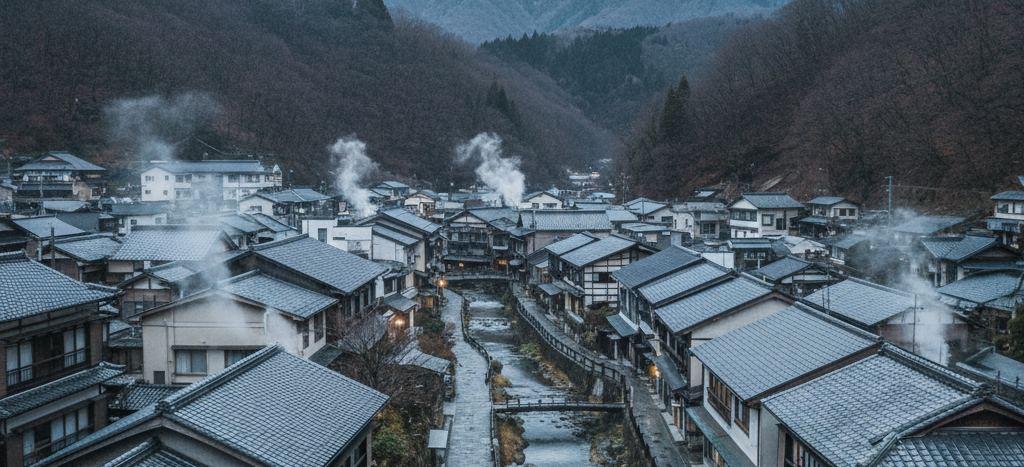
The house shape holds one base for eight nights, a car parked outside it, and nothing further than two hours from the arrival hall. Four of those parts are missing here. The single base becomes six, so you pack and unpack six times instead of once. Eight nights becomes sixteen. The hire car is gone completely, and with it the habit of deciding over breakfast where the afternoon goes. The two hours becomes about six at the far end of the line, and that six is a real figure rather than a worst case dressed up: the last town is reached by a high speed train, then a branch line, then a wait, and the wait is the part nobody budgets for. What survives is smaller than what breaks. Two people, still. Shoulder season, still, for reasons the weather section sets out. Out every day, still, although out now usually means the walk between the inn and the next bath rather than a drive to a car park. The stable thing on this trip is not the room. It is the water, which is in all six places and is a different substance in each of them, and the six bases exist because the water does not travel and you have to.
Six hours of moving, and where the cases go
The line runs on rail with one bus wedged into the middle of it. From the airport at Fukuoka the subway reaches the main station in about six minutes, which is unusually short, and it is the last simple connection for a fortnight. A limited express runs down the east coast to the first town in a little over two hours. From there a local line climbs inland to the second in about an hour. The third has no railway station at all: a highway bus crosses the caldera rim in roughly two hours and runs about five times a day, so a missed departure costs ninety minutes and there is nowhere sensible to leave a case while you sit it out. South of that, the high speed line covers Kumamoto to Kagoshima in under an hour, and the coastal branch to the last town takes another hour on a short local that does not always connect neatly with it. Cases go separately. Forwarding between inns costs roughly 2,000 yen a case and arrives the following afternoon, which is how people here move luggage, and it means you need a night bag holding everything for one evening. Two large cases each is the version that goes wrong. Transfer days take the middle out of the day: out of the room at ten, into the next one at three, five hours of platforms in between.
Six waters, and they are not the same water
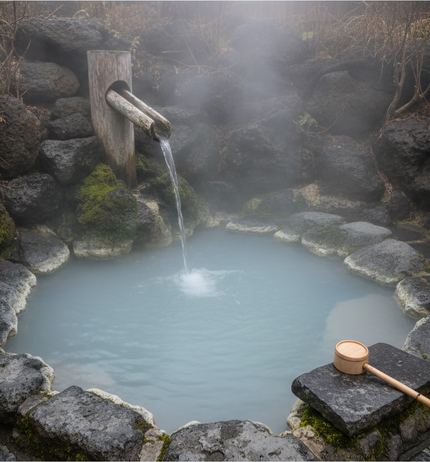
In the west the source is mildly alkaline, around pH 8, sodium bicarbonate, and it feels slippery on the skin in a way people either like at once or find faintly unpleasant for the first two days. In the highlands it is sulphur: cloudy, white or greenish, strong for the first hour and then unnoticed, it will tarnish a silver ring, and it leaves a mineral film on the tub and on you. Along the coast one town heats sand instead of water. You lie in a shallow trench dug on the beach and are buried to the neck in sand warmed from below to somewhere near 50 degrees, for ten to fifteen minutes, timed by an attendant who comes back and digs you out. It is closer to being pressed than to being washed, and one session is generally enough. Bath temperatures along the line sit between 41 and 44 degrees, hotter than most first time visitors expect. The local method is short and repeated: eight minutes in, out, cool down on a stone, back in, three or four times across an evening. The first town alone has more than two thousand vents and eight separate bathing districts with different chemistry between them, which is why it takes three nights rather than one.
What the days are actually made of
An inn day has hard edges. Check in from three. Dinner at six or half past, served in a fixed order of small dishes, and it does not wait for you. Breakfast between 7.30 and 8.30. Out of the room by ten. That leaves ten till three as the part of the day you decide, which is why this is not a trip for late starts and long unplanned afternoons. Dinner sits inside the room rate at four of the six bases, and in the smaller towns almost nothing is open after five in the evening, so the inn meal is not really optional even where it is priced separately. The daylight hours go to whatever is within reach on foot or on one bus. A caldera rim with a road along the top and a crater walk that shuts without warning when the gas readings climb. A gorge with a two hour circuit and a great many steps. Tea fields in the west, cut in April and May and geometric and dull green the rest of the year. A castle. A volcano you look at rather than climb. In the highland town the walking is the whole point: a wooden tag costs 1,500 yen, admits you to three outdoor baths of your own choosing among roughly two dozen inns, and stays valid for six months, which is the nearest thing on this line to a plan.
Why shoulder season, on this island
Shoulder in Kyushu means late October to the first week of December, or the middle of March to the end of April with the first week of May cut out of it. The reasons are ordinary. Rain sits over the island from June to the middle of July and is heavy rather than atmospheric. Typhoon tails reach it through August and September and will close a bus route for a day at a time. Midsummer is humid enough that hot water stops appealing by mid morning, and the whole trip is hot water. Cold air is what makes these towns look like their photographs. Steam is invisible in warm weather. In November the coast runs about 12 to 18 degrees in the afternoon, the highland towns at 700 metres sit four or five degrees under that with frost on the roofs by the end of the month, and every vent in the valley shows. Autumn colour reaches the highlands in the last week of October and the lower towns around the middle of November. In spring the grassland on the caldera floor is burned off across late February and March, which is worth arranging your days around and which closes roads while it happens. Neither season is the correct one. They fail in different places.
From $5,240, and who it is not for
The figure covers two people for sixteen nights: six inns of the ordinary mid-range sort, dinner and breakfast at four of them, all rail and the one bus, seat reservations where they matter, and case forwarding between bases. It does not cover the international flights, which you buy yourself in your own name, nor lunches, nor the bath-hopping tag, nor the days you spend somewhere with an entrance fee. It sits about $2,900 above the house shape, and the money is doing three things: eight more nights, five more check-ins, and a fortnight of paid transport instead of one car. It suits people who do not mind living out of a bag, who read a timetable without irritation, and who are travelling with someone whose tolerance for 43 degree water is roughly their own. It does not suit a knee or a hip that objects to floor seating and a futon. It does not suit anyone who wants the car keys and a view at six in the evening. And it does not suit a traveller who came for one room for a fortnight and would spend the second week resenting the loss of it. If the fixed bed is the thing you actually wanted, say so early and the office will stop describing this one.
Awkward questions about this change
- Can you arrange the flights to Japan as part of this?
- No. This office puts nothing in the air and nothing on the water, and signs with no carrier, and will not put a flight on the same sheet of paper as the rest of it. The flights are yours to buy, in your own name, wherever you like to buy them. What we will do is tell you which airport the sixteen nights are built around, which arrival time makes the first transfer work rather than fail, and how much slack to leave at the end, because the last town is a long way back up the island.
- We like driving. Can we keep the hire car and do the same towns?
- You can drive Kyushu, the roads are good and the expressway is straightforward, but it stops being this trip. Two of the six towns offer nothing nearer than a paid lot ten minutes on foot from the inn, one is a single street with a bus stop at the end and no lot at all, and a car standing idle for three nights while you walk between baths is money doing nothing. The office will price a driving version with three bases instead of six. It will be a different fortnight with a different set of days in it, and we would rather say so now than halfway through.
- We travel with two large cases each. Is that going to work?
- That is the version of this trip that goes wrong. Forwarding between inns costs about 2,000 yen a case and arrives the next afternoon, which is reliable, but the case is then away from you for a night, so everything for that evening has to be in something you carry yourself. Station lockers are small and mostly taken by early afternoon. The highland town's forwarding counter closes early and will not accept a case handed in after lunch. Two cases and a day bag between two people is the size that fits this line. Four cases is a fortnight of hauling.
- One of us has tattoos. Will the inns refuse us?
- Some will and some will not, and the answer is per inn rather than per town. Along this line a few of the older houses still bar tattooed guests from the shared baths outright, several accept a covering patch over anything small, and a good number no longer ask the question at all. The route around it is the private bath, which four of the six bases have, either attached to the room or bookable by the hour. We ask each inn before the booking is placed and write down what they say, so you know which baths on the line are open to you before any money is spent.
- Who actually takes our money?
- Not this office. No card details are held here and no bill is raised here. Each inn settles with you at its own desk on the morning you leave, mostly by card, though two of the smaller ones still want cash. Rail tickets, passes and seat reservations are bought in your own name, at a machine or online, before you go. Cedar Passage is paid afterwards by the inns whose rooms it filled, at a rate agreed with them well before your dates, so nothing in that arrangement can move the figure you were quoted.
Others that move the shape about as far
There is no package on this site that somebody has not already asked for, and the thirty in the book are the requests that came back more than once.
-
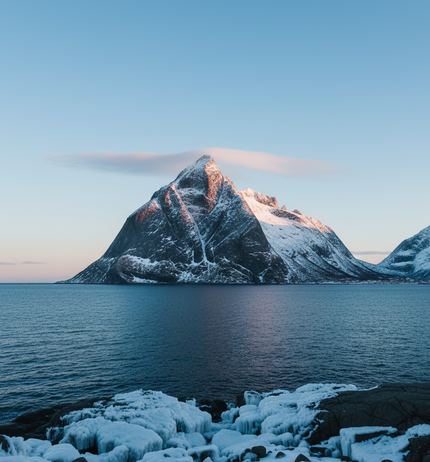
Lofoten in the dark months
Norway · four bases, seven nights, no daylight to speak of
from $3,960 two sharing almost nothing of the shape left -
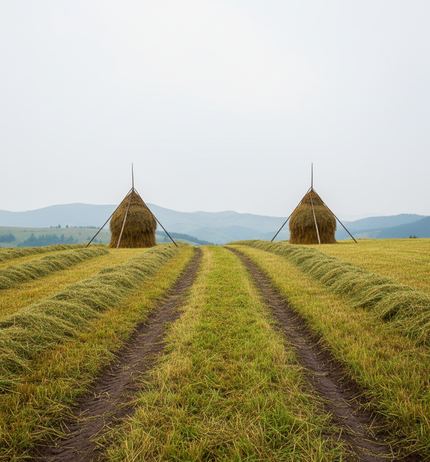
Across the Carpathians on foot
Romania · nine bases, walking, luggage moved for you
from $3,180 two sharing almost nothing of the shape left -
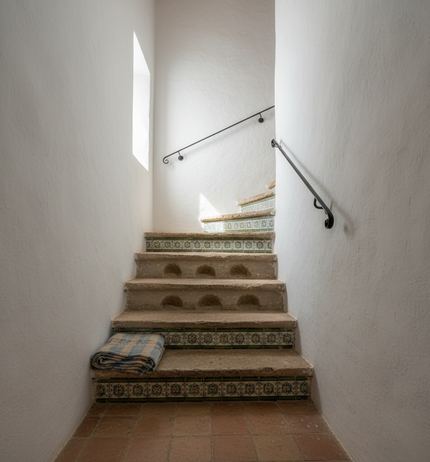
The white towns, one town at a time
Spain · seven bases, fourteen nights, buses
from $2,960 two sharing almost nothing of the shape left -
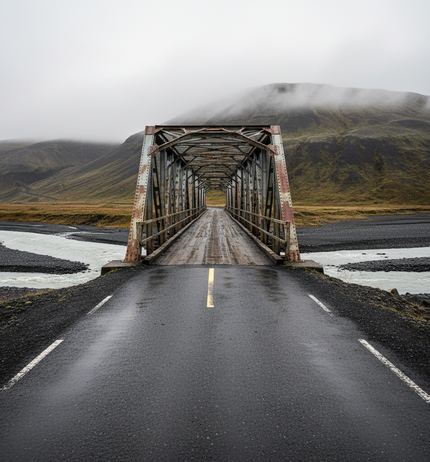
The ring road out of season
Iceland · eight bases, nine nights, driving every day
from $4,180 two sharing almost nothing of the shape left -
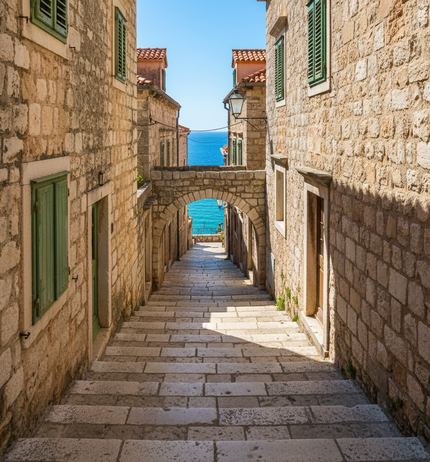
Down the Dalmatian islands
Croatia · six bases, twelve nights, ferries you buy yourself
from $3,080 two sharing almost nothing of the shape left -
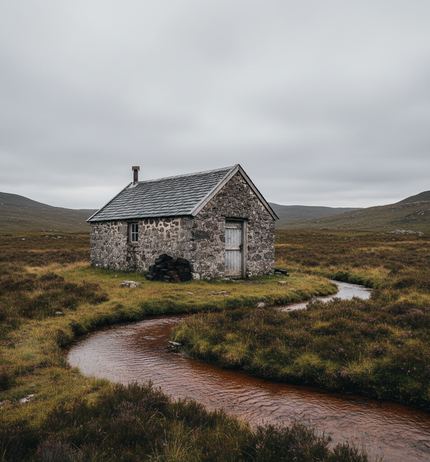
The northwest of Scotland, bothy to bothy
Scotland · eleven bases, twelve nights, carrying your own bed
from $2,870 two sharing almost nothing of the shape left
Ask for this change in writing
Not a cent moves through here. The supplier bills you under its own name, and what this office earns reaches it from that supplier weeks later.