Home / Thirty changes / Almost nothing of the shape left / The northwest of Scotland, bothy to bothy
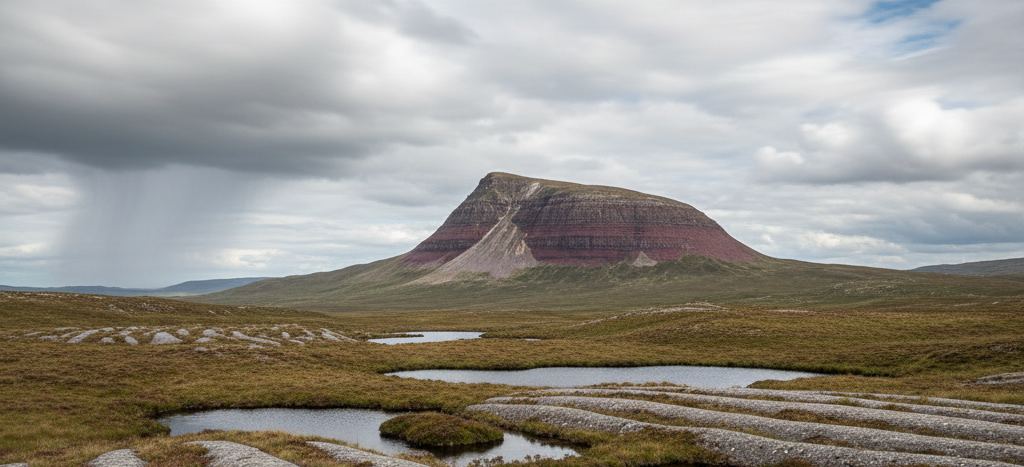
Sutherland and Wester Ross, twelve nights on foot
Eleven roofs in twelve nights. Reserve a bothy to bothy trip in northwest Scotland from $2,870.
The house shape gives you one base for eight nights, a car at the door and two hours between the airport and that door. This trip breaks all three. Twelve nights, eleven bases, and the bed travels on your back. Reserve a bothy to bothy trip in northwest Scotland and the first thing that changes is what you sleep in and how you get there, which is five hours, most of the last one on foot.
| What it breaks | eleven bases, twelve nights, carrying your own bed |
|---|---|
| Nights | 12 instead of 8 |
| Places you sleep | 11 |
| Car | no hire car |
| From where you land | 5 hours |
| Season | summer |
| People the figure is built on | 2 |
| How far from the shape | almost nothing of the shape left |
| Two sharing pay | from $2,870 |
The car is the break that takes the rest with it
Three named parts of the house shape are broken here, and one of them takes the rest down with it. The single base you unpack into once becomes eleven, and only one of the eleven is used twice. Eight nights become twelve. The hire car is not in this one at all, and that is the change that reorganises everything else: no coming back to the same bed, no leaving the heavy bag at the door, no forty minute drive to a drier glen when the cloud comes down at ten in the morning. What stands in for the car is your own legs, a scheduled coach at each end and two booked minibuses in the middle. What stands in for the wardrobe is a forty five litre pack that weighs about fifteen kilos when you walk out of the last shop. The season moves as well. Shoulder does not work when seven of your eleven roofs are unheated stone buildings and the ground is wet to the ankle. This one runs from the middle of June to the first week of August, when there are twenty hours of usable light and the rivers are usually low. Two things stay as they are. Two people, and a number fixed before you leave: from $2,870.
Five hours from the airport, and the last one on foot
You land at Inverness. The house shape would have you in a car park with a key inside twenty minutes and at your base inside two hours. This takes about five, and the shape of those five hours is worth knowing before you agree to any of it. A scheduled coach runs northwest for roughly two hours, past peat cuttings and hydro pipes, to a small town on a sea loch where the shops are. Then a connecting minibus, fifty minutes on single track road with passing places, driven by somebody who also carries the post. Then you walk. The first base is five kilometres in on an old stalkers path that climbs about two hundred metres, and with a full pack most people take between ninety minutes and two hours over it. The connections are thin. The coach runs a handful of times a day, the minibus fewer, and neither of them waits. If the flight lands after about four in the afternoon you sleep in the guesthouse at the town and start walking in the morning, so we plan for that rather than hope against it. Tell us the arrival time before anything else is fixed.
Seven nights in buildings nobody can reserve
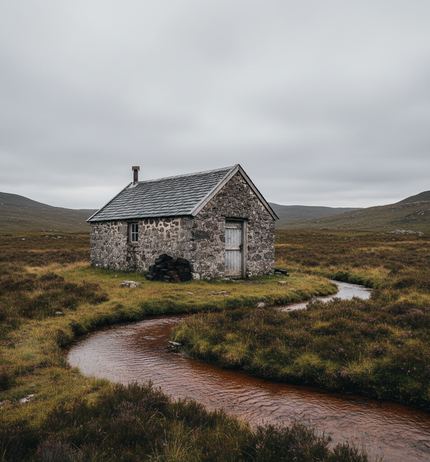
Seven of the eleven bases are bothies: small stone buildings, mostly former shepherds houses or stalkers quarters, left unlocked and kept weathertight by a volunteer body that charges nothing and takes no names. There is no key, no register, no arrival time, and no mechanism by which anyone could hold one for you. You walk to the door and it opens. Inside, expect one or two rooms, a bare wooden sleeping platform or a swept concrete floor, a fireplace that may or may not draw, a table, and a spade by the door for the obvious. No electricity, no tap, no drain. Water is the burn outside, filtered or boiled. You carry your mat, your bag, your stove and your food in, and every scrap of rubbish back out. The etiquette is not decoration. If two walkers arrive at half past nine in the rain and the platform is full, people move up. In late July the four most visited of the seven can hold ten or twelve; the other three rarely hold more than four. The route puts you at the busy ones early in the day and the quiet ones late, and every one of the seven has flat dry ground within two minutes of the door for the tent you are carrying anyway.
The ground, and why eleven miles takes seven hours
The rock here is old and awkward. Bare Lewisian gneiss, close to three billion years old, lies in rounded ribs with peat and small black lochans in the hollows between them, so the map shows a flat mile and the ground gives you eleven small climbs. Above it in places sit horizontal courses of red Torridonian sandstone, and above those a cap of pale Cambrian quartzite that is loose underfoot and rings when you kick it. Days run from eleven to twenty two kilometres with three hundred to nine hundred metres of ascent. On three of the twelve days there is no path at all for a stretch of two or three hours, and on that ground a fit walker covers two and a half kilometres an hour, not five. Tussock grass hides the holes. Peat hags are chest deep and have to be walked round. Wet gneiss slabs are slick as soap. Two river crossings have no bridge. Both are ankle deep in a normal July week and both can become uncrossable within two hours of hill rain. The route stays clear of the training area in the far northwest corner, which shuts to walkers for days at a time when the range is live.
Summer here, said plainly
The northwest Highlands take between two and three thousand millimetres of rain a year, most of it falling on the hills you will be walking over. July is the driest month and still has rain on about fifteen days in twenty. Nothing dries outdoors. The two nights at inns exist mainly so that everything you own can spend fourteen hours in a drying room. The compensation is light. At fifty eight degrees north in late June it is properly light by four in the morning and still light at eleven at night, and the sky never goes fully black. A nine hour day is not a race against dusk, which is why the walking days can be long without being anxious. Midges arrive with the second half of June. They are small biting flies that need still, damp air; a breeze of about ten kilometres an hour puts them down completely, which is why bothy doors stay shut on calm evenings and why everybody eats outdoors on windy ones. Head nets are not optional in July. Ticks are in the bracken and the long grass, so legs get checked every evening. Temperatures sit between nine and eighteen degrees. It is not warm. Two of the twelve days will probably be cold, wet and windy at once.
What the $2,870 covers, and who this suits
Twelve nights, and only five of them produce a bill. From $2,870 for two covers the guesthouse at the start, two nights at one inn in the middle, one night at a second inn and the night at the end, all five with dinner and breakfast; the coaches; the two private minibuses to the road heads; a food parcel held at the inn and a second held at a village shop that closes at one on Saturday and does not open on Sunday; a bag of clean dry clothes moved between the two inns; and the four sheets of the 1:25,000 map, marked up. The seven bothy nights cost nothing, because there is nobody they could be paid to. That arithmetic is why twelve nights here and eight nights of the house shape sit only five hundred and thirty dollars apart. Nothing is paid to this office by you. The guesthouse, the inns and the minibus operator each pay us a share out of their own bill after you have been, and that is the whole of how we earn on this page. Your flights are yours to arrange and yours to hold. It suits two people who have carried a pack for five days running and were still content on day four. It does not suit anyone who wants a shower every night, anyone who needs a phone signal daily, since there is none for two or three days at a stretch, or anyone who has never walked on trackless ground.
Awkward questions about this change
- Can you reserve one of the bothies for a particular night?
- No. Not for you, not for anyone, not for money. They are unlocked buildings kept up by volunteers and open to whoever walks in; there is no key, no register and nobody to take a request. If four people are already on the boards when you arrive at nine in the evening, everyone shuffles up, or you pitch outside. That is the arrangement each person accepts by using them. What we do instead is plan the route so that every bothy night has flat dry ground within two minutes of the door, and tell you which of the seven fill first in July.
- Can you arrange our flights to Inverness?
- No. Air travel sits outside what this office is able to sell, no carrier has an agreement with us, and the seat is yours to buy and yours to hold. Then we work backwards from it. The coach north runs a small number of times a day and the connecting minibus fewer still, so an arrival much after four in the afternoon usually costs you the first walk in and puts you in the guesthouse instead. Send the arrival time before anything else is fixed and you will be told exactly what it does to day one.
- What happens if a river comes up and you cannot cross it?
- You wait, you take the bridge, or you spend the slack. Hill rivers here rise within an hour or two of heavy rain and drop again nearly as fast, so waiting is usually the answer and the wait is usually short. Both unbridged crossings on this route have an alternative with a bridge, four kilometres longer at one and nine at the other, and both alternatives are on ground you can follow in poor visibility. One day of the twelve exists as spare for this. Nobody wades a river in spate to keep a schedule, and the itinerary is written so that nobody has to.
- How heavy is the pack, and can it be made lighter?
- Fourteen to seventeen kilos each walking away from a resupply, eleven to thirteen on the days before the next one, assuming a three season bag, a mat, a small stove, a tent and food. Some of that is not negotiable in a building with no heating and no tap. The bag moved between the two inns takes out the clean clothes and the spare boots, which is worth roughly two kilos. Past that the only real saving is the tent, and we would not plan this route without one. So the floor is about fourteen kilos, and you should walk with that weight at home before agreeing to it.
- We want the walking but not eleven beds. Is there a version with the car and one base?
- Yes, and it is the house shape: eight nights, one base you unpack into once, a hire car at the door, two hours from where you land, from $2,340. You would cover the same kind of ground on day walks and come back to the same bed each evening, and you would stay nearer the road, because the far northwest is where the road stops. Neither shape is an improvement on the other; they answer different questions. The one worth settling first is whether the point of the fortnight is the walking or the ground at the end of it, and we are glad to talk that through before anything is reserved.
Others that move the shape about as far
There is no package on this site that somebody has not already asked for, and the thirty in the book are the requests that came back more than once.
-
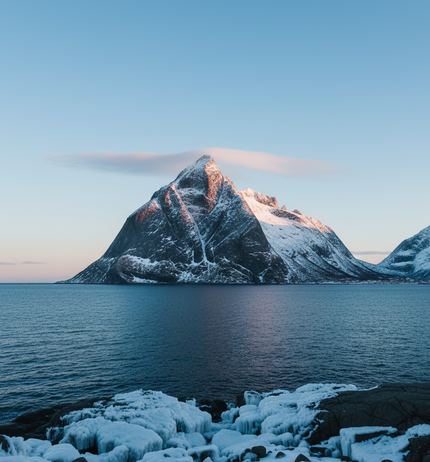
Lofoten in the dark months
Norway · four bases, seven nights, no daylight to speak of
from $3,960 two sharing almost nothing of the shape left -
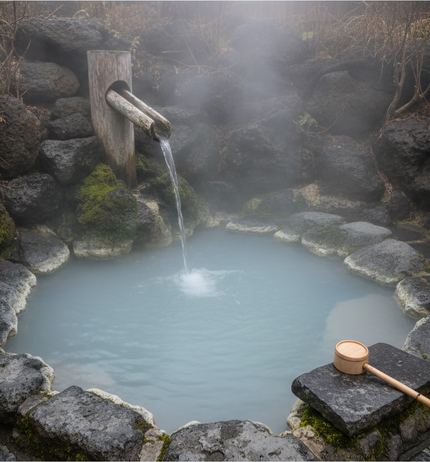
Kyushu, the hot spring line
Japan · six bases, sixteen nights, trains, no car, no fixed bed
from $5,240 two sharing almost nothing of the shape left -
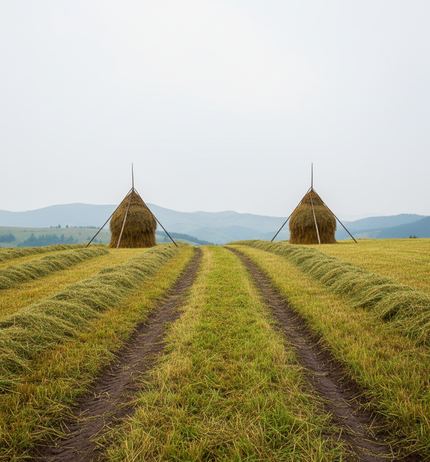
Across the Carpathians on foot
Romania · nine bases, walking, luggage moved for you
from $3,180 two sharing almost nothing of the shape left -
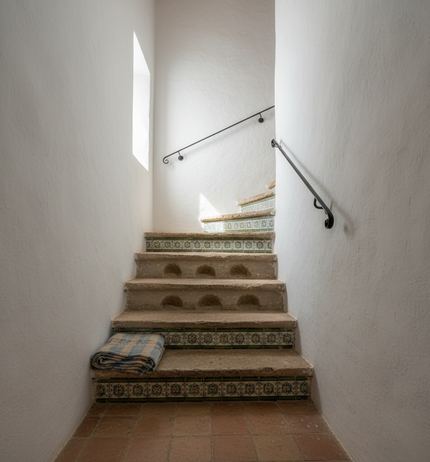
The white towns, one town at a time
Spain · seven bases, fourteen nights, buses
from $2,960 two sharing almost nothing of the shape left -
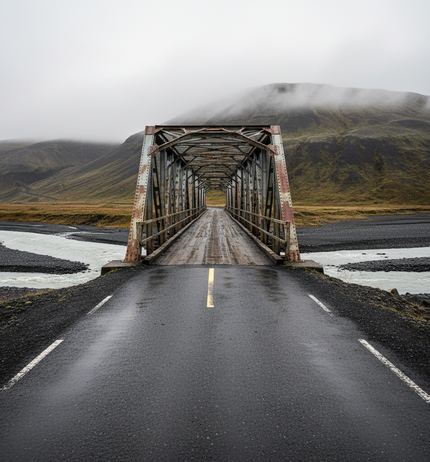
The ring road out of season
Iceland · eight bases, nine nights, driving every day
from $4,180 two sharing almost nothing of the shape left -
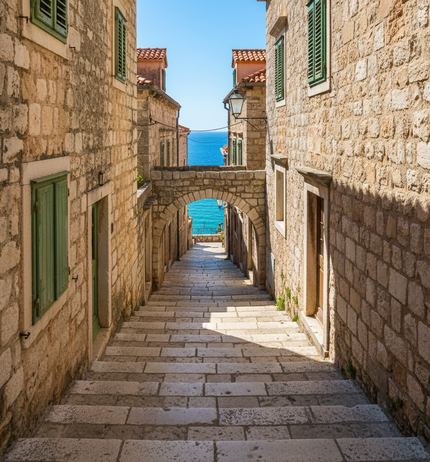
Down the Dalmatian islands
Croatia · six bases, twelve nights, ferries you buy yourself
from $3,080 two sharing almost nothing of the shape left
Ask for this change in writing
Not a cent moves through here. The supplier bills you under its own name, and what this office earns reaches it from that supplier weeks later.