Home / How far from the shape / Two or three parts changed
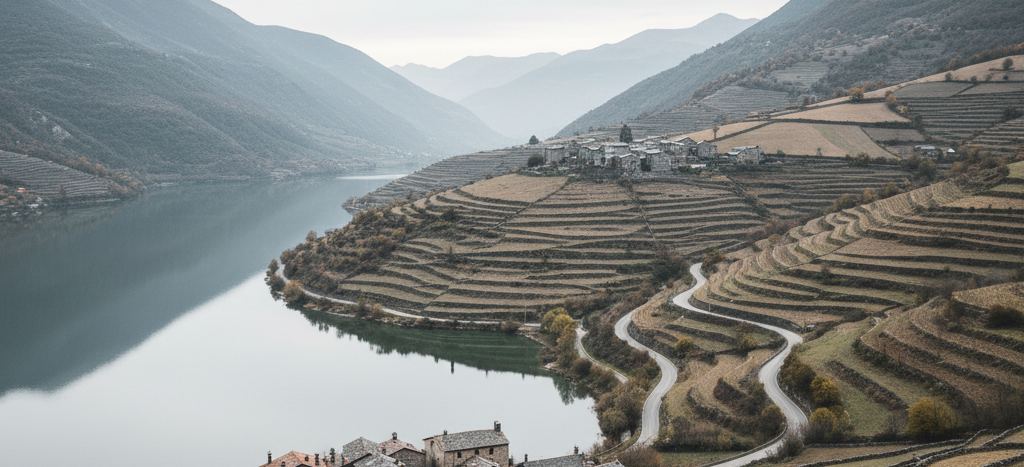
Where the second change starts arguing with the first
Move two parts at once and each changes what the other meant, so reserve a two or three part change with a travel agent in Birmingham
Nine of the thirty take out two or three named parts at once: the second bed, the extra nights, the hire car, the season, the fifth and sixth person. Parts interact once you move more than one, and saying how is most of the work here. Reserve a two or three part change with a travel agent in Birmingham, from $2,270.
The 9 changes at this distance
-

North Jutland and the light
Denmark · two bases, six nights, deep winter
from $2,270 two sharing two or three parts changed -

The Mani and the Taygetos wall
Greece · two bases and a walking week between them
from $2,980 two sharing two or three parts changed -
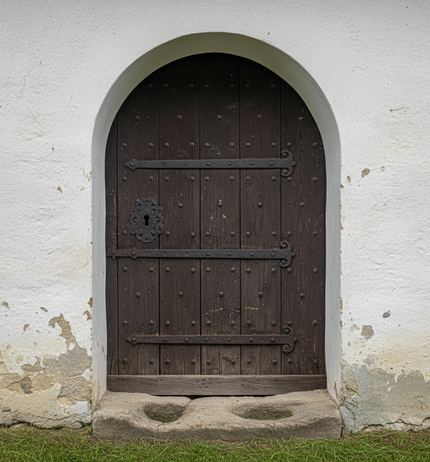
The Saxon villages of Transylvania
Romania · three bases, a driver, and six of you
from $3,060 two sharing two or three parts changed -
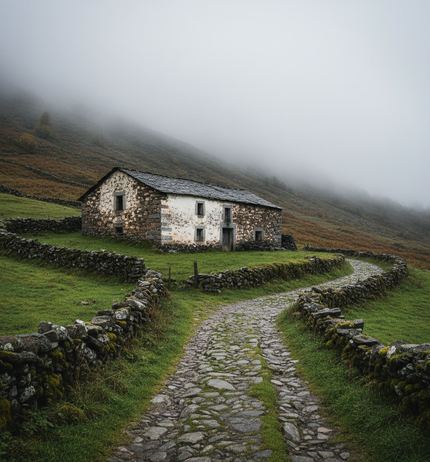
The Basque interior
Spain · two bases, one of them without a road to it
from $3,240 two sharing two or three parts changed -
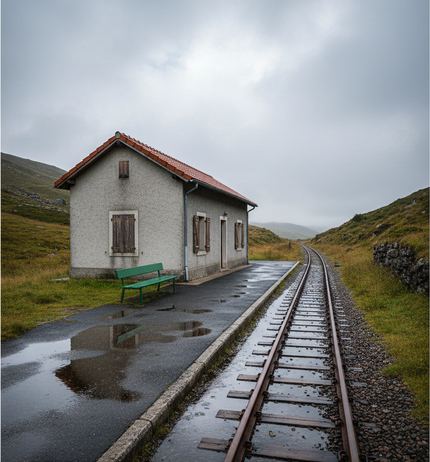
The Bohemian uplands
Czechia · three bases, fourteen nights, trains only
from $3,350 two sharing two or three parts changed -
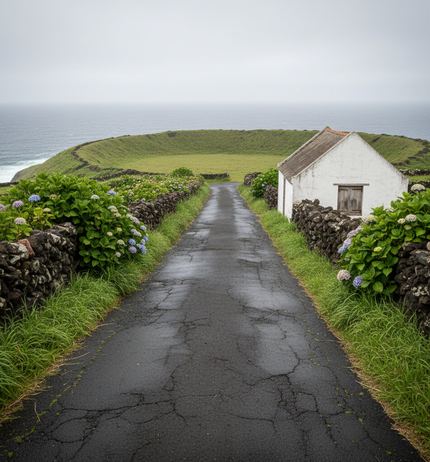
Terceira and the middle islands
Portugal · two bases, twelve nights, no car on one of them
from $3,410 two sharing two or three parts changed -
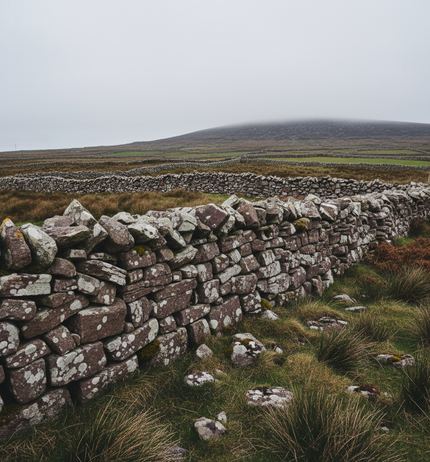
Kerry and the Dingle peninsula
Ireland · two bases, high summer, five of you
from $3,480 two sharing two or three parts changed -
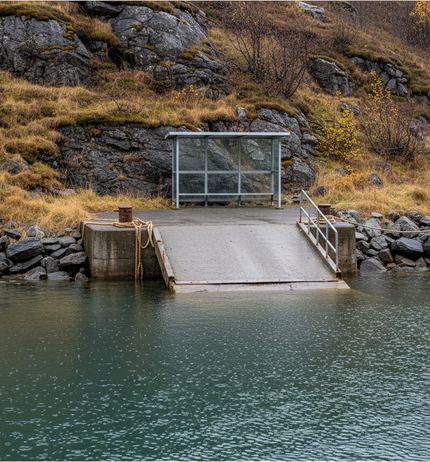
The inner Hardanger
Norway · two bases, ten nights, and boats between them
from $3,620 two sharing two or three parts changed -

The Langhe and the high Piedmont
Italy · two bases, twelve nights, harvest weeks only
from $3,720 two sharing two or three parts changed
Who arrives at this distance
Most people reading this have already had the house shape, or something one part away from it, and came home knowing exactly which part they would not repeat. The couple who spent eight nights in one village and wanted the coast as well. The two who found the hire car a chore on stone lanes and would rather somebody else drove. The family whose grown children can finally come, which turns two people into five and one room into three. The ones with a window nailed shut by something outside the holiday: harvest weeks in a wine country, the short winter daylight of the far north, a walking route that only works between the rains. What they share is a reason rather than an appetite for novelty. Nobody at this distance is moving parts to see what happens. Each of the nine weeks gathered here exists because the same request kept arriving in the same shape, often enough that the office wrote it down instead of improvising it again.
What the second change does to the first
Take one part out and the rest of the week absorbs it. Take two or three out and they begin acting on each other, which is the only reason this distance has a page of its own. Drop the hire car and add a second base, and the road between them stops being a decision and becomes a timetable: departures you cannot move, a bag carried rather than left in a boot, an afternoon that belongs to the moving and not to the place. Add four people to the party and nights stop setting the figure; rooms set it, along with how many a small kitchen can seat at short notice. Push the week into deep winter and daylight decides how far a day can reach, which often decides whether a second base was needed at all, or whether one bed and shorter drives would have done the same work. The office is useful here as arithmetic rather than as taste. It has arranged these combinations often enough to say which pairs quietly cancel each other, and it says so while the week is still a sheet of paper.
The day you move between the two beds
One part away from the house shape, very little goes wrong that a telephone call cannot settle. Two or three parts away, the trouble is nearly always in the join. The changeover day is the first thing marked on the sheet, because it is not a day out and planning it as one causes most of the complaints. A room left by ten and another that opens at three leaves five hours with luggage in them, and those hours go easier somewhere chosen in advance than somewhere found with bags in hand. Scheduled boats and rural trains thin out once the summer traffic goes, so the last useful departure on a Sunday in October is not the one printed for July. Two bases also mean two suppliers, each with its own deposit date and its own cancellation terms, and the two clocks seldom run together. So the sheet the office sends names both suppliers, puts both sets of dates in one column, marks the moving day as a moving day, and gives the last departure that still gets you to the second bed in daylight. Where a boat or a train carries you between bases it is a public service, run by its operator on a timetable published long before your dates: this office puts nothing on the water and nothing in the air, and holds a contract with no carrier at all.
What moving two or three parts costs
The nine start between $2,270 and $3,720 for two sharing, against $2,340 for the house shape, and the spread does not follow the count of broken parts. The lowest figure in the group is a six night week in the far north in winter, where two nights come out and take their cost with them. The highest is twelve nights in wine country during harvest, where extra nights, a second base and a fortnight of rooms in a busy month all pull the same way. Three things move a figure here. Nights move it roughly in proportion, since a night is a night. Rooms move it in steps, because a party of five or six is arithmetic about rooms rather than about heads. Days of somebody else driving move it by a wage, and the wage is paid on the days you walk as well as the days you ride. Distance from the house shape moves nothing on its own; it shows up in a figure only where it touches one of those three. Payment never runs through here. Each supplier sets its own deposit, issues its own invoice in its own name and collects what it is owed. What reaches this office arrives months later from those suppliers, on terms settled once a year rather than trip by trip, so the arrangement behind it cannot see which of the nine you chose.
What this distance raises
- Is this the sensible next step after one change?
- Not as a rule, and the office will not pretend otherwise. Two changes are not a promotion from one; they are simply two parts of the shape doing something different. Somebody who wants a longer week and nothing else is served by a single change and gains nothing by bolting a second base onto it. Somebody who needs three bedrooms in August has already made two changes before the conversation starts. The question is which parts move, never how many.
- Can we begin with one change and add another later?
- Until a supplier confirms, yes. Parts can be added, swapped or put back with nothing worse than a rewritten sheet, and the figure is redone in front of you. After confirmation it gets specific. Each supplier keeps its own dates, so adding a second base three weeks into the arrangement can mean one set of cancellation terms is already running while the other has not begun. The office says which clocks have started before it asks anybody to confirm anything.
- Who arranges the boat or the train between two bases?
- Its operator does, on a timetable it published long before you wrote. Nothing here is sold on your behalf for any journey over water or through the air, and no agreement exists with anybody who runs one. What you get instead is a printed page: the departures that suit the moving day, the last one that still puts you at the second bed in daylight, where the ticket is bought and by whom, and what to do on the day if that departure is cancelled. Getting yourself out to the country and home again stays your own arrangement.
- We are five. Does that change the figure per person?
- It changes what the figure is made of. Two people are one room; five are two rooms or three, and a house that sleeps five in the shoulder season is a different search from a room that sleeps two. Where a driver replaces the hire car, the vehicle has to hold five and their luggage, which is a different day rate. Per person the sum sometimes lands near two sharing and sometimes does not, so the office shows both sums rather than quoting a rule.