Home / Thirty changes / Two or three parts changed / Terceira and the middle islands
The house shape broken in three places
Two bases and a car that stops at the water: reserve a twelve night trip to Terceira
Three parts of the house shape come off at once: one base becomes two, eight nights become twelve, and the hire car is handed back before you reach the second island. Reserve a twelve night trip to Terceira and five of the twelve nights are spent on foot, from $3,410 for two.
| What it breaks | two bases, twelve nights, no car on one of them |
|---|---|
| Nights | 12 instead of 8 |
| Places you sleep | 2 |
| Car | no hire car |
| From where you land | 2 hours |
| Season | shoulder |
| People the figure is built on | 2 |
| How far from the shape | two or three parts changed |
| Two sharing pay | from $3,410 |
The three parts that come off
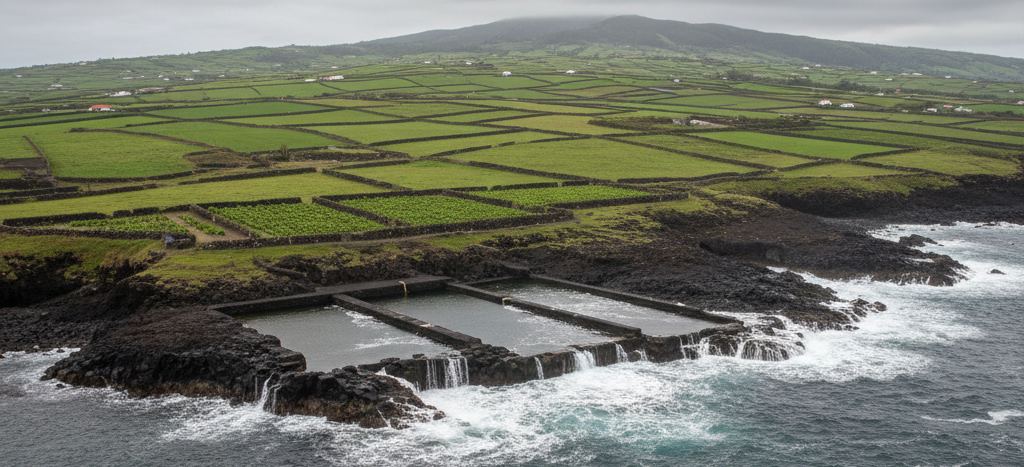
Three parts of the house shape come off. One base becomes two. Eight nights become twelve. The hire car stops at the water, so you have it for the first seven nights and not for the last five. Nothing else moves. The season is the same, the party is still two, and the rule about being within two hours of where you land holds on both islands, although it now has to be measured twice. The first base is Angra do Heroísmo on Terceira, which holds most of the people in the central group. The second is Santa Cruz da Graciosa, on the smallest island in it. About eighty kilometres of open water sit between them. The figure is $3,410 for two, which is $1,070 above the house shape. Something over half of that is the four extra nights. The rest is a second arrival, a second set of rooms, and what a small island charges for a bed in a town that has perhaps a dozen of them.
Seven nights on the island with the car
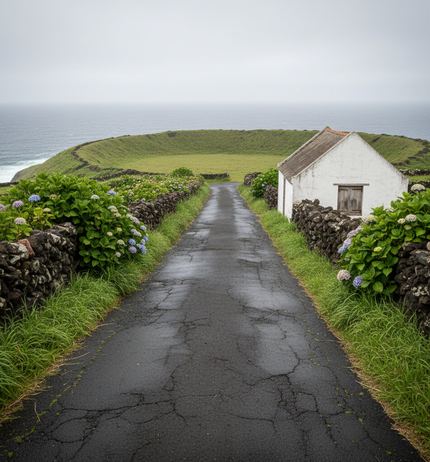
Terceira runs to about 400 square kilometres and holds around 53,000 people, and the road round the edge is roughly 90 kilometres, so the whole coast is a morning if you insist on doing it that way. The interior is the reason for the car. Pasture climbs in small squares walled with black stone, the lanes between them are one car wide with grass down the crown, and cattle are walked along them morning and evening at a speed you do not argue with. Serra de Santa Bárbara, the high ground at 1,021 metres, is in cloud on perhaps half the days of a shoulder week. Algar do Carvão is a volcanic vent you walk down inside, about 90 metres of it, with a rain lake at the bottom that rises and falls through the year. Out of season it opens for a few hours in the afternoon and not every day. On the north coast at Biscoitos the lava has set in tongues, the bathing pools sit between them, and vines are planted in low walled squares just inland. Angra itself was rebuilt after the earthquake of 1 January 1980, so the town reads as eighteenth century and a good deal of the stonework is younger than the people looking at it. Parking is the only genuinely irritating thing about driving here. From May onward a village will close its main street for a couple of hours in the late afternoon for the rope bulls, and you tend to find out when you meet the barrier.
Five nights where the car does not go
Graciosa is about 61 square kilometres, twelve kilometres end to end, and roughly 4,000 people live on it. Santa Cruz, where you sleep, has two ponds, a square, a covered market and a hill above it with chapels on top. From the door you reach the harbour in ten minutes on foot and open country in twenty. That much is easy. The rest of the island is not easy without a car. The caldera at the southern end is ten kilometres off, which is a two hour walk each way on a road with no footway, or a taxi, and here you arrange the return leg at the same time as the outward one or you wait. The bus is built around school hours: a useful run in the morning, one early in the afternoon, nothing that helps in the evening and nothing at all on Sunday. Under the caldera floor there is a chamber, the Furna do Enxofre, entered through a stone tower with a spiral stair of about 180 steps. It opens for a few hours around midday and it shuts, without notice and without appeal, when the gas readings inside are high. On the south coast at Carapacho there are warm baths a few metres from cold water. Windmills with red caps stand along the north side. A day here is short on options, and that is what the five nights are for.
The join between the two islands
This office does not put anybody in the air or on the water and has no arrangement with anyone who does, so the leg between the two islands is yours to buy, exactly like the flights that bring you to the archipelago. What the office does instead is set out in writing, for your actual dates, which links exist and which of them tend to stop. That matters more than it sounds. The boat between the central islands is largely a summer service and in the weeks this trip uses it is often not sailing at all. The air link is under half an hour once airborne and rather longer once two airports are added to it. Both are weather. Wind stops the boat, low cloud on a small strip stops the plane, and neither owes you an apology. So the move is a day rather than a morning, and the twelve nights are laid out that way: seven, the move, then five. Where your flight home leaves the large island, the last night is spent there and not on the small one. That costs nothing and it removes the one way this trip goes badly wrong.
What the extra four nights are for
Shoulder here means May, or late September into October. Daytime temperatures sit around 19 to 22 degrees, the sea is about 18 in May and a few degrees warmer by October, wind is normal rather than remarkable, and rain arrives in short bursts with sun between them rather than settling in for the day. The high ground makes its own weather and keeps it. On eight nights, two wet days is a quarter of the holiday and you take what you are given. On twelve you can move things about. The vent, the caldera and the high ground all want a dry morning, and twelve nights lets you spend a wet one indoors without it counting against you. The other thing four extra nights buy is the end of planning: by the fourth morning on each island you know which bakery opens early. Whether that is worth $1,070 is not a question this office will answer for you, and it will not rank the two shapes in either direction. It sets out what changes and leaves the arithmetic where you can see it.
Who should not take this one
This suits people who have already done a week in one base and found the last morning arrived too early. It suits walkers, people who can spend a wet afternoon in a small town without turning on each other, and anyone who finds a working island more interesting than a decorated one. It does not suit several sorts of traveller, and it is worth establishing that before you ask for a figure. Anyone who wants a car at the door for all twelve nights should take another of the thirty. Anyone flying home on a tight connection should not put the small island last. Anyone who cannot manage three kilometres on uneven basalt will find the second base very short indeed. And anyone whose picture of an island holiday involves lying on sand should know that the sand on Terceira is mostly one bay on the east side, that the rest of the swimming is in pools cut into lava, and that in these weeks the water is bracing rather than warm. The figure covers rooms for all twelve nights for two people and the car for the first seven days on the supplier's own terms. It does not cover the leg between the islands, the flights that get you there, fuel, food, or the few euro the vent and the chamber charge at the door.
Awkward questions about this change
- Do you arrange the boat or the plane between the islands?
- No. This office arranges no carriage by air or on water, moves nobody by air and nobody by sea, and holds no agreement with anyone who does, and will not stand between you and a carrier. What it will do is set out for your dates which links exist, roughly when they go, and which of them tend to stop running in the shoulder months, so that you buy the right one yourself. If that answer is a problem, say so early, because it is the same answer against every item on this site.
- What happens if the link is cancelled on the day we move?
- You lose a day and probably a night. The room on the second island is held from a date, and a night not slept in is not usually returned by the supplier holding it. That is why the large island comes first and, where your flight home goes from it, why you come back to it for the last night: a cancelled hop then costs a night rather than a flight. Tell the office the hour it happens and it will talk to both suppliers, but it cannot conjure a boat out of a gale.
- Are the twelve nights worth $1,070 more than the eight?
- The office will not answer that, and it will not rank the two shapes in either direction. It will do the arithmetic instead. The house shape is $2,340 for eight nights in one base with a car throughout. This is $3,410 for twelve nights, two bases, and a car for seven of the twelve days. Per night the two figures land within about nine dollars of each other. What actually differs is that this one carries a move, a second arrival and five days on foot, so decide on those.
- Can we have a car on the second island as well?
- Yes, and at that point it stops being this item and becomes a request of its own. Hire on the small island is a short list of cars that wants asking about weeks ahead in these months, and taking your own across on the water is possible only in the months the boat runs and rarely repays the trouble for five days. Ask, and the office will price both against your dates. It will also say out loud that a car on an island twelve kilometres long changes what the five nights are for.
- Could we do this in July instead of the shoulder weeks?
- Yes, and four things change with it. The boat between the islands is running, which takes the awkwardness out of the move. Rooms on the small island are few and they go early, so July is a thing to ask about in February. The figures rise, and the office will quote the real ones rather than the one printed here. And the island is busier than it is in May, with the rope bulls most weeks and streets shut for them in the late afternoon.
Others that move the shape about as far
There is no package on this site that somebody has not already asked for, and the thirty in the book are the requests that came back more than once.
-
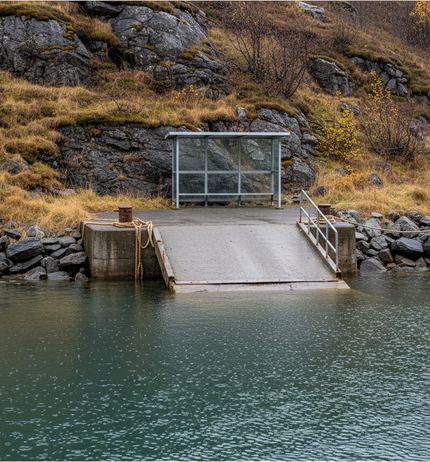
The inner Hardanger
Norway · two bases, ten nights, and boats between them
from $3,620 two sharing two or three parts changed -
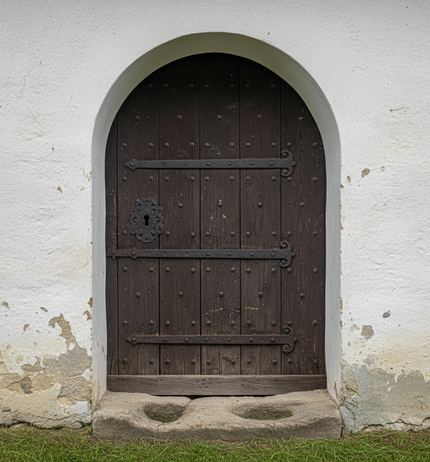
The Saxon villages of Transylvania
Romania · three bases, a driver, and six of you
from $3,060 two sharing two or three parts changed -
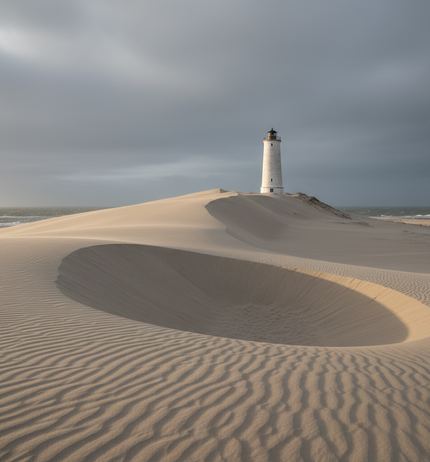
North Jutland and the light
Denmark · two bases, six nights, deep winter
from $2,270 two sharing two or three parts changed -
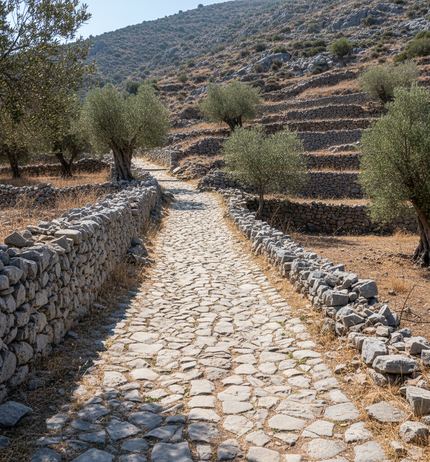
The Mani and the Taygetos wall
Greece · two bases and a walking week between them
from $2,980 two sharing two or three parts changed -
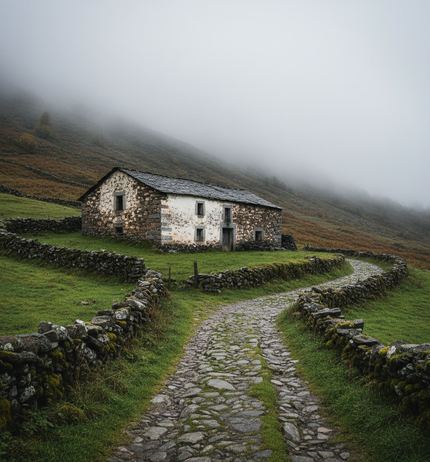
The Basque interior
Spain · two bases, one of them without a road to it
from $3,240 two sharing two or three parts changed -
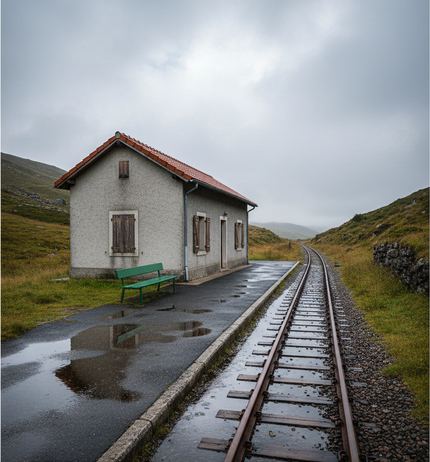
The Bohemian uplands
Czechia · three bases, fourteen nights, trains only
from $3,350 two sharing two or three parts changed -
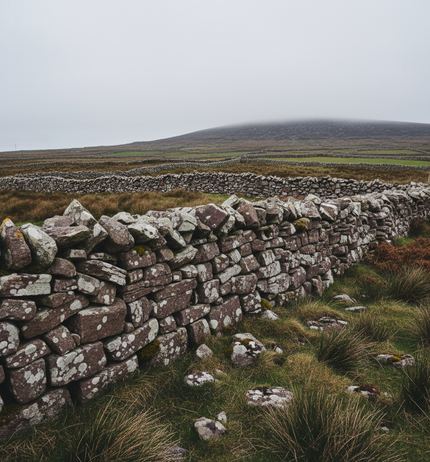
Kerry and the Dingle peninsula
Ireland · two bases, high summer, five of you
from $3,480 two sharing two or three parts changed -
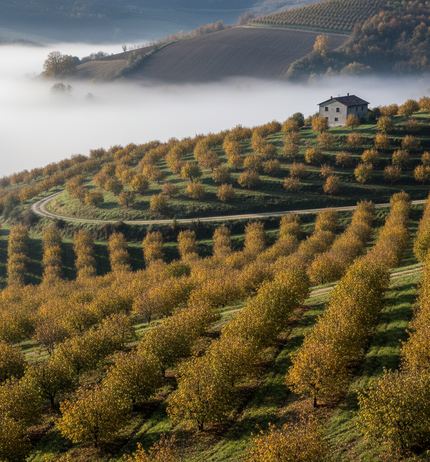
The Langhe and the high Piedmont
Italy · two bases, twelve nights, harvest weeks only
from $3,720 two sharing two or three parts changed
Ask for this change in writing
Not a cent moves through here. The supplier bills you under its own name, and what this office earns reaches it from that supplier weeks later.