Home / Thirty changes / Two or three parts changed / The Langhe and the high Piedmont
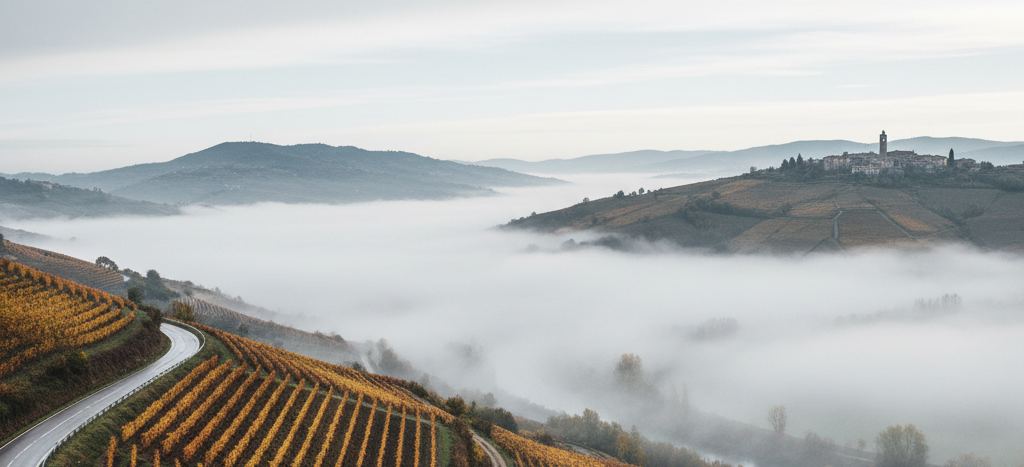
Piedmont in October, where the house shape stops fitting
Twelve nights and two beds: reserve a harvest season trip to the Langhe
Three parts of the house shape are gone at once: the single base, the eight nights, the loose shoulder dates. In their place, two beds four hundred metres apart in height, twelve nights, and a window of about five weeks. What you agree to when you reserve a harvest season trip to the Langhe is a calendar, not a map. From $3,720.
| What it breaks | two bases, twelve nights, harvest weeks only |
|---|---|
| Nights | 12 instead of 8 |
| Places you sleep | 2 |
| Car | a hire car, as the shape has it |
| From where you land | 2 hours |
| Season | autumn |
| People the figure is built on | 2 |
| How far from the shape | two or three parts changed |
| Two sharing pay | from $3,720 |
Three parts gone at once, and what each one costs
The single base is the first to go. There are two here, and they are not two versions of the same thing. One sits in the low Langhe at around 350 metres, twenty minutes from Alba, with vineyards on every slope in sight. The second sits at about 750 metres in the Alta Langa, roughly 55 road kilometres and seventy minutes away, where the vineyards have stopped. The eight nights go next. Twelve is what the second base costs: seven nights low, four nights high, and one day in the middle that is mostly packing, driving and working out where the new shop is. The loose shoulder dates go last, and that is the hardest of the three losses. This trip exists inside a window of about five weeks from the final days of September, because the thing the days are built around happens then and not otherwise. Two parts of the house shape are untouched. The hire car stays, and here it is not optional. Two hours from where you land also stays: Turin is about ninety minutes, Milan about two. The price moves from $2,340 to $3,720, and that difference is four more nights, the changeover, and October room rates in the wine villages, which sit well above what the same rooms cost in May.
Four hundred metres higher, a different set of hills
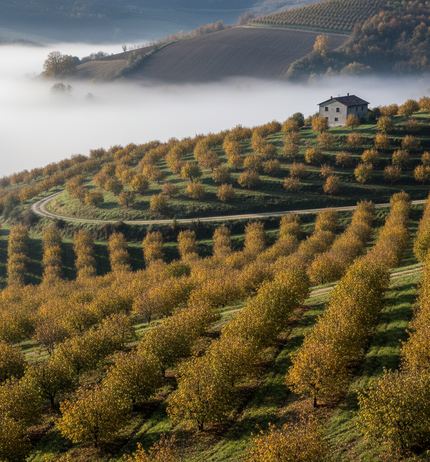
The low Langhe is a run of narrow ridges with villages sitting on top of them and vines on anything that faces near south. Distances read as nothing and drive as something: La Morra to Monforte d'Alba is about twelve kilometres and takes twenty five minutes, because the road follows the crest, drops into the fold and climbs out again. The Alta Langa, to the south and west, is the same geology pushed up four hundred metres. The vineyards thin and stop. Hazelnut orchards take the open slopes, chestnut takes the north faces, and the villages get smaller, greyer and further apart. Bossolasco sits at about 750 metres, Murazzano at 740. In late October the gap between the two bases is four or five degrees, which sounds small and is not. Fog lies in the Tanaro and Belbo valleys until ten or eleven most mornings, and the high villages spend those hours in sun looking down on the top of it. Nights up there fall to five or six degrees and the first frost often arrives in the first week of November. Down low the days run sixteen to nineteen degrees, and the rain is real: seventy to ninety millimetres across the month, usually as two or three long wet days rather than showers.
What the twelve days are actually made of
A day here has two fixed points and a great deal of unstructured time around them. Cellar visits are the first. They are small family operations, almost always by appointment, usually at ten or at three, and usually about ninety minutes standing in a cold room being talked at in careful English or unhurried Italian. Two in a day is plenty. Three is a mistake. The second fixed point is lunch, which begins at half past twelve, stops being served at two, and is not a sandwich. Around those, the days fill with driving between villages that are ten minutes and one hairpin apart, walking the ridge tracks that link them, eight to fourteen kilometres on gravel and vine road with about three hundred metres of climbing, and standing in castles that open at ten, shut for two hours at midday and close at six. On autumn weekends there is a white truffle market in Alba: a hall, a ticket, a crowd, finished by six. Alba's street market is Saturday morning. Up in the high villages there is far less to do, and that is precisely why they come second: goat cheese from the hills around Roccaverano, hazelnuts and chestnuts sold off tables in October, two bars, and one shop that shuts from one until half past three.
The harvest weeks are the whole constraint
Everything else on this page bends around a date nobody controls. Picking starts with the early varieties in the middle of September and finishes with nebbiolo somewhere between the first and the third week of October, and that closing date has moved by a fortnight from one year to the next depending on what the summer did. The twelve nights are built to sit across it, which in practice means the last days of September through most of October, and it means the request has to go in early. Rooms in the wine villages for October weekends are gone by March or April, and the weekends around the truffle market in Alba go first of all. Eight to ten months of lead time is ordinary. Six is tight. Three usually means a different set of villages or a different year, and you will be told which. What this office does is put your dates to the two properties and to the car company, hold what comes back, and report what did not come back. Cellar appointments are asked for in the same round, but they are decided by the cellars. During picking some of them close the door for ten days and say so.
What is hard about it
Fog, first. It sits in the valleys most October mornings until ten or eleven, and the ridge roads run in and out of it, so the first hour of any drive is done at thirty kilometres an hour behind a tractor pulling grape trailers. The roads are narrow, walled in places, and during picking they are working roads with a job to do. Parking in a hill village is six or eight spaces and then a walk. The clocks go back on the last Sunday of October, and an evening that was light until quarter past six is dark at quarter past five, which shortens the closing days noticeably. The changeover is a genuine day gone: pack, drive seventy minutes, arrive at three, find the shop shut until half past three. And the food is not flexible. The classic order of things is raw veal, egg pasta, braised beef and a hazelnut cake, four courses whether you wanted four or not, and a vegetarian eats properly only if the kitchen is told a day ahead. Twelve nights is a long stretch to spend on eating and driving if you are lukewarm about either.
Who this suits, who it does not, and how the money moves
It suits two people willing to give the middle of every day to a table, who can drive a narrow road without resenting it, and who want the back half of the trip quieter than the front. It suits anyone who would rather have four slow days at 750 metres than four more days of cellars. It suits people who accept that two of the twelve days will be wet and cannot be rescued. It does not suit anyone who wants one bed for the whole trip. That is the house shape, and it exists in these same hills at eight nights in May. It does not suit a family whose children will not sit through a two hour lunch. It does not suit anyone tied to July or August, when there is no harvest, the low hills run to thirty degrees and the point of the thing has gone. It does not suit six people; two is what the shape is built for. On money: nothing is paid to this office at any stage and no card number reaches it. You settle with the two properties and with the car company yourselves, on their terms and at their counters. A commission arrives afterwards from the supplier side. It does not shift with which base you spend longer in or with what you drink, so nothing in the arrangement is quietly steering you.
Awkward questions about this change
- Will you book our flights and an airport transfer?
- No. This office puts nothing in the air and nothing on the water, and has signed with no carrier. Your own flights are yours to book, and the sensible order is rooms first: in October the rooms are the scarce part and the flights are not. There is no transfer to organise either, because the hire car is collected at the airport and stays with you for the twelve nights. Cedar Passage is a small independent agency in Birmingham, Alabama. It flies nobody, houses nobody and runs no trips of its own, and it is not connected to any of them.
- Can you promise the harvest will be running while we are there?
- No. The date is set by the summer rather than by a calendar, and the close of picking has landed anywhere from the first to the third week of October. Twelve nights spread across the end of September and most of October is a wide net, and in most years you will pass working rows and loaded trailers for at least part of the stay. In a very early year the low vineyards may be finished before you land while the high ground is still going. The net is the whole of what can be offered; there is nothing behind it.
- Could we do this without the hire car?
- You could, and it would become a different trip. Buses run the valley roads between Alba and the larger villages a handful of times on weekdays, thin out on Saturday and stop on Sunday, and the high villages see one or two services a day at most. A taxi from Alba up to a hill village runs roughly 45 to 60 euros each way and has to be booked rather than hailed. The car sits in the price and in the shape for a plain reason: these villages are ten minutes apart by road and about two hours apart by timetable.
- Can you get us into one particular cellar we have read about?
- The request goes in with everything else, and what comes back comes back. Most cellars here are family operations where one person handles the appointments, and during picking that person is picking. Some shut the door for ten days and answer nothing at all. What this office does is ask, keep a record of what was said, and tell you plainly which ones declined, instead of quietly filling the diary with whoever happened to reply. Two visits in a day is the sensible ceiling regardless of who says yes.
- What happens if it rains for a week of the twelve nights?
- October in these hills delivers seventy to ninety millimetres, and it tends to arrive as two or three long wet days rather than as passing showers. Those days are what the indoor half of the trip is for: cellars, kitchens, the market hall, a castle with the lights on. What they are not is grounds for a refund. Nothing here is priced on weather and no part of the arrangement is contingent on it. If a wet fortnight would ruin twelve nights for you, the eight night shape in May carries the same risk across fewer days and is worth asking about instead.
Others that move the shape about as far
There is no package on this site that somebody has not already asked for, and the thirty in the book are the requests that came back more than once.
-
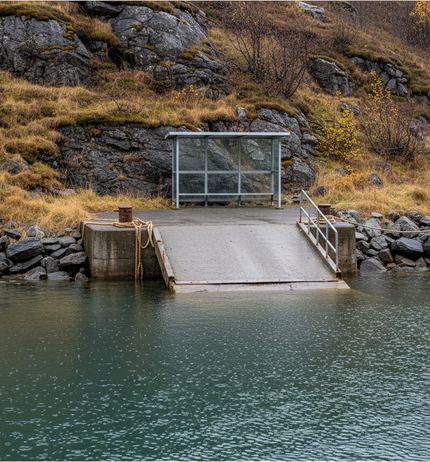
The inner Hardanger
Norway · two bases, ten nights, and boats between them
from $3,620 two sharing two or three parts changed -
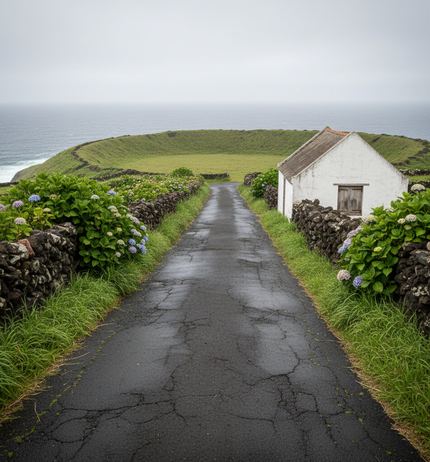
Terceira and the middle islands
Portugal · two bases, twelve nights, no car on one of them
from $3,410 two sharing two or three parts changed -
The Saxon villages of Transylvania
Romania · three bases, a driver, and six of you
from $3,060 two sharing two or three parts changed -
North Jutland and the light
Denmark · two bases, six nights, deep winter
from $2,270 two sharing two or three parts changed -
The Mani and the Taygetos wall
Greece · two bases and a walking week between them
from $2,980 two sharing two or three parts changed -
The Basque interior
Spain · two bases, one of them without a road to it
from $3,240 two sharing two or three parts changed -
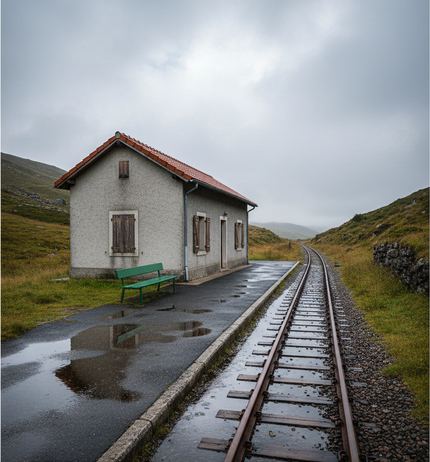
The Bohemian uplands
Czechia · three bases, fourteen nights, trains only
from $3,350 two sharing two or three parts changed -
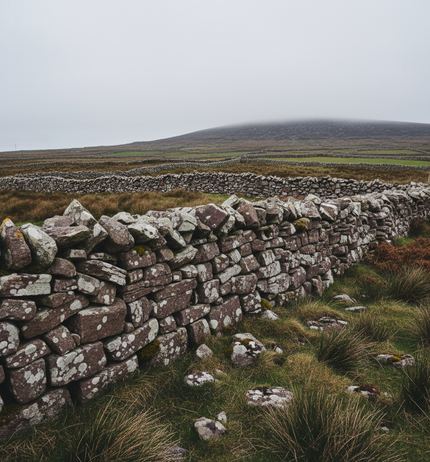
Kerry and the Dingle peninsula
Ireland · two bases, high summer, five of you
from $3,480 two sharing two or three parts changed
Ask for this change in writing
Not a cent moves through here. The supplier bills you under its own name, and what this office earns reaches it from that supplier weeks later.