Home / Thirty changes / Two or three parts changed / The inner Hardanger
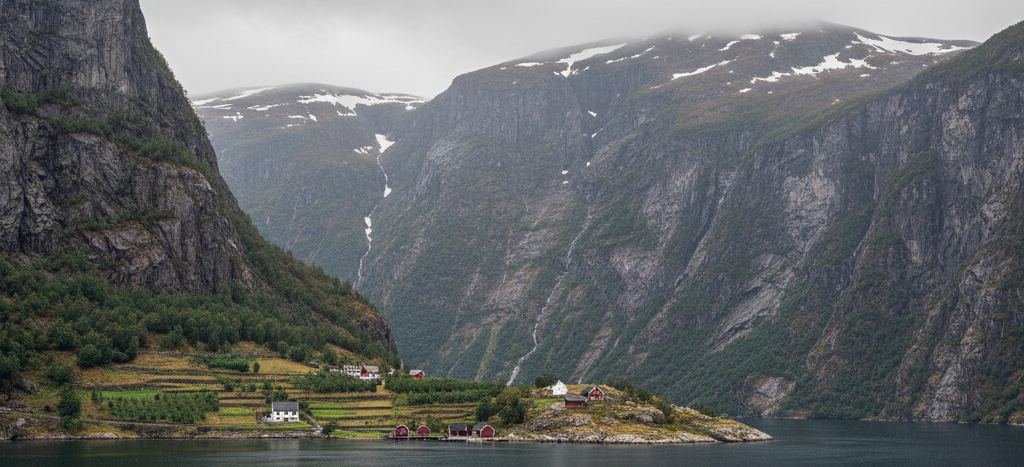
The house shape with three parts taken out
Ten nights and two bases with no hire car at all, which is what you reserve a two base trip in inner Hardanger for
Three named parts of the house shape are gone here: one base becomes two, eight nights become ten, and the hire car is replaced by a public boat timetable. If you are going to reserve a two base trip in inner Hardanger, this page says what that actually costs you in half days, and who it does not suit.
| What it breaks | two bases, ten nights, and boats between them |
|---|---|
| Nights | 10 instead of 8 |
| Places you sleep | 2 |
| Car | no hire car |
| From where you land | 3 hours |
| Season | shoulder |
| People the figure is built on | 2 |
| How far from the shape | two or three parts changed |
| Two sharing pay | from $3,620 |
What this one breaks
Three named parts of the house shape are gone. The single base goes first: there are two here, and you pack a second time in the middle of the week. Eight nights goes next, because moving eats the better part of two days, so the trip is ten. The hire car goes altogether, and nothing private replaces it. What replaces it is a published timetable, a car ferry, a small local boat and a bus along the fjord road that runs roughly every ninety minutes in September and thins on Sundays. Two things hold. You are still out every day and back to a bed you already know by evening, and the season is still shoulder, priced for two. One more thing stretches quietly. The run from where you land goes from two hours to about three, and that is not a rounding error. It is the difference between arriving in time for a late lunch and arriving in time to watch a kitchen close. None of that makes this an improvement on the eight night arrangement, and the eight night arrangement is not an improvement on this. They are two ways of spending the same waking hours, and they suit different people.
Two bases, and the water between them
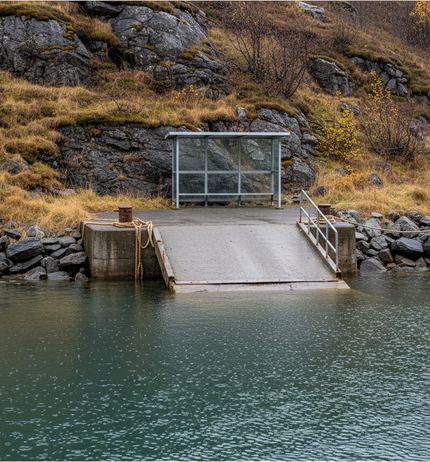
The first base sits near the point where the fjord divides, on the low shelf where the orchards are. The second sits at the head of the inner arm, under the wall that carries the road up onto the plateau. On a map they are about twenty five kilometres apart. On the ground they are a ferry crossing of roughly twenty five minutes and then a bus of about half an hour over the bridge, and the two do not always meet neatly. Allow half a day for the move and put nothing on either side of it. You cross the water on most other days as well, because a good part of the walking is on the opposite side from the beds. Crossings run ten to thirty minutes. The boats are working transport rather than anything laid on for visitors: cars loaded first, foot passengers up a hinged gangway, no seat allocation and no announcement in English. Cedar Passage arranges no carriage by water and holds a contract with no operator. The ferries and the local boat are public services with published timetables; you buy your own tickets on board or at the machine, for small sums. What this office does is put the two houses, the two dates and the transfer into an order that the timetable actually permits, which is less obvious than it sounds once the last sailing is in front of you.
What a day is actually made of
A day starts with a timetable and ends with one. Morning boat out, walk, afternoon boat back, and the last useful crossing in September is earlier than most people expect, mid evening rather than late. Miss it and you are looking at a taxi the long way round by road, which will cost you more than the day did. The walking is steep rather than long. The valley above the eastern quay climbs past four waterfalls in about six hours, with roughly seven hundred metres of ascent on a stone path that is wet more often than dry. The old road up the gorge behind the head of the fjord is a set of hairpins built for horses, walkable in an hour and a half, with a fall of a hundred and eighty two metres at the top of it. A single lane road through a tunnel reaches a mountain farm on a ledge six hundred metres above the water, and the tunnel runs one way with timed sides. The flat days are orchard days. The terraces climb in narrow steps from the waterline to about two hundred metres, apples and plums and some cherries, and in September the presses are working. The cider houses here mostly open by arrangement rather than by a sign on the door, so they go into the plan before you leave. Shops shut at five, four on Saturday, and on Sunday they do not open. Kitchens stop serving around nine.
Weather, light, and why the shoulder
Two shoulder windows work on this fjord and they are not interchangeable. Late April into the middle of May is blossom on the terraces, ten to sixteen degrees in the afternoon, snow still lying on the plateau and the high road across it often shut until the end of the month. September is ten to fifteen degrees, the water still around fifteen after the summer, daylight running from about thirteen and a half hours at the start of the month to twelve at the end, and the fruit being picked rather than flowered. Rain is the honest variable. The coast where you land takes something over two thousand millimetres a year; the inner arms sit behind the rock and take well under half of that, which is a real difference across a walking week and not a promise of dry ground. Assume two wet days in ten and be pleased with one. Nobody here will tell you what the sky is going to do, and nothing in the plan depends on it except your own patience. What the shoulder buys is boats still close to the summer timetable at one end of the season or the other, with a fraction of the traffic on the quays. What it costs is early dark in the second half of September and a handful of places already closed for the winter.
The figure, and who pays whom
From $3,620 for two people, against $2,340 for the house shape. The gap is arithmetic rather than a premium. Two more nights. A second changeover, which means a second set of arrival and departure days for a house to sell. Rooms facing water in two places instead of one. A transfer of about three hours from where you land rather than two, at what a car and a driver cost by the hour in this country. Set against that, the hire car comes out of the figure entirely, and with it the fuel and the parking you would have paid for at the head of the fjord. Boat and bus tickets are left out deliberately. They are small, they are bought on the day, and folding them in would mean guessing at a timetable that is republished twice a year. Carry a card and budget a modest amount daily. Nothing is paid to this office. No card details are taken here, no deposit is held here, and no bill for the trip carries this office's name. Each house settles with you at its own desk, in its own currency, on the day you leave it. Money reaches us afterwards from the suppliers, out of the margin they already have, and that is the whole of the commercial arrangement. The final figure is confirmed in writing once the suppliers have answered, and it holds for the dates written on it.
Who this change suits, and who it does not
It suits people who walk. Not mountaineers, but people who will take seven hundred metres of wet stone in a morning and think of it as the day rather than the obstacle. It suits people content to be governed by a printed timetable, who find something restful in not deciding. It suits people who want the two different ends of one body of water: the shelf where everything is cultivated in narrow steps, and the head of the arm where the rock simply stands up out of it. It does not suit anyone who wants the car at the door. Without one you cannot leave at seven because the forecast changed overnight, and you cannot bring a walk forward by an hour. It does not suit anyone who dislikes packing, since you will do it twice, once mid week, with a gangway involved. It does not suit knees that object to long descents on stone. It does not suit heavy luggage; two hard cases up a hinged ramp in rain is a bad ten minutes. And it does not suit anyone who chose the house shape because they wanted one bed for the whole week. That is the part that breaks here, and it breaks first. If it was the part you cared about, the eight night arrangement is still there, and nothing on this page has argued against it.
Awkward questions about this change
- Will you book our flights to Norway?
- No. This office moves nobody by air and nobody by sea, and holds no agreement with anyone who does, and will not quote you for one. The flights are yours to buy, in your own names, on your own dates. What we will do, at no charge and before you commit, is tell you which arrival times the transfer and the first crossing actually work with, and which ones leave you standing on a quay for two hours with your luggage. Send the times over before you buy them rather than after.
- Can we add a hire car for a couple of the days?
- Yes, and it is worth being clear about what it changes. The depots sit at the airport and in the larger towns, so a car collected mid week means a journey to fetch it; one way drops are charged; the ferry takes cars but you queue for the busy sailings; and parking at the two best known walks fills before nine on a fine September morning. Two days of hire adds roughly two hundred dollars to the figure. Arranged that way the trip sits closer to the house shape, which may be exactly what you want, or may not.
- Is the long clifftop walk everyone photographs part of this?
- Not as a matter of course, and here is why. The round walk is twenty seven to twenty eight kilometres with about eight hundred metres of climbing, ten to twelve hours for most people, and it starts from a car park the bus network does not reach from either base at an hour that leaves you time to finish. Walked unguided, the usual season runs from the middle of June to the middle of September, which fits the May window badly. If it is the thing you are going for, say so at the start and the whole shape is built round it instead.
- What happens if a boat does not run?
- Boats are cancelled for wind, for fog on the water and for mechanical reasons, and the operator decides that, not this office. There is no compensation from us and none for us to claim on your behalf. The plan is built to absorb it: each base has walking on its own side of the water that needs no crossing at all, the changeover is never put on the last day, and one day in the ten is left with nothing booked into it. When a crossing goes you lose the walk you wanted, not the trip.
- Do we pay you anything?
- There is no fee to you at any stage. This office holds no card details, has never held them, and nothing you sign here is an instruction to take money. Payment reaches us afterwards, from the houses and the local suppliers, as a share of what they were charging anyway, and the share does not change according to which of them you pick. If you want to know what it is on a particular line of your quote, ask and it will be written down for you.
Others that move the shape about as far
There is no package on this site that somebody has not already asked for, and the thirty in the book are the requests that came back more than once.
-
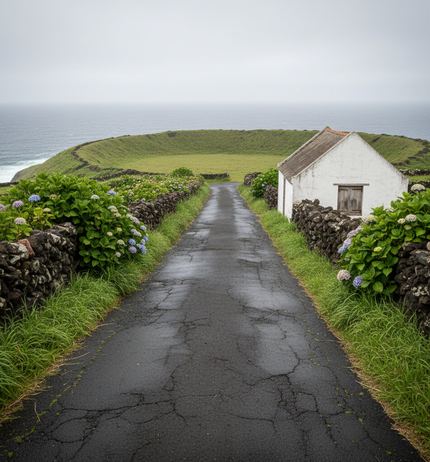
Terceira and the middle islands
Portugal · two bases, twelve nights, no car on one of them
from $3,410 two sharing two or three parts changed -
The Saxon villages of Transylvania
Romania · three bases, a driver, and six of you
from $3,060 two sharing two or three parts changed -
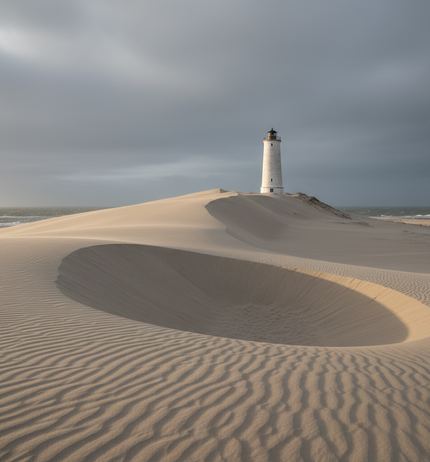
North Jutland and the light
Denmark · two bases, six nights, deep winter
from $2,270 two sharing two or three parts changed -
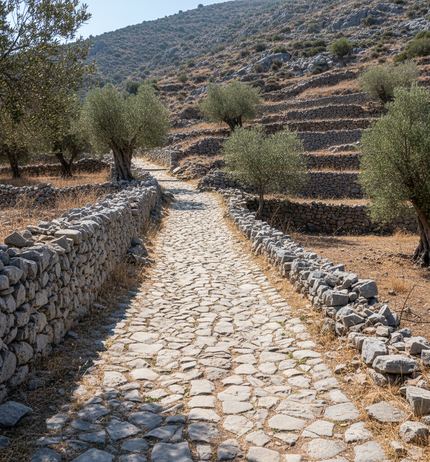
The Mani and the Taygetos wall
Greece · two bases and a walking week between them
from $2,980 two sharing two or three parts changed -
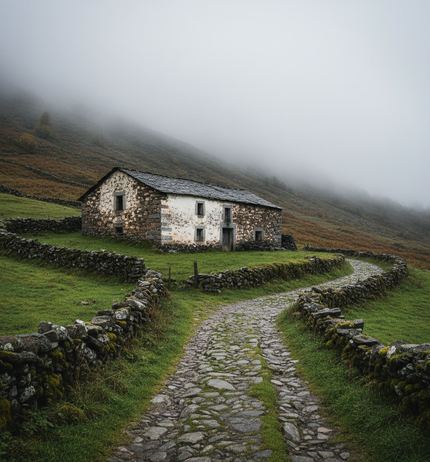
The Basque interior
Spain · two bases, one of them without a road to it
from $3,240 two sharing two or three parts changed -
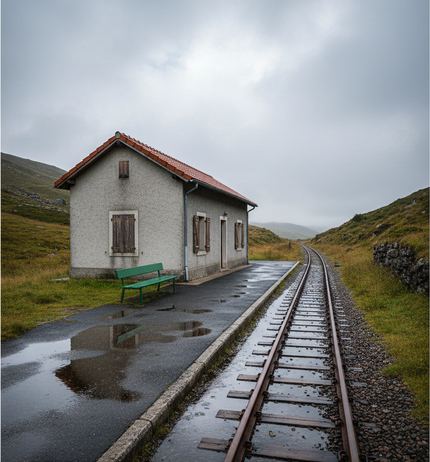
The Bohemian uplands
Czechia · three bases, fourteen nights, trains only
from $3,350 two sharing two or three parts changed -
Kerry and the Dingle peninsula
Ireland · two bases, high summer, five of you
from $3,480 two sharing two or three parts changed -
The Langhe and the high Piedmont
Italy · two bases, twelve nights, harvest weeks only
from $3,720 two sharing two or three parts changed
Ask for this change in writing
Not a cent moves through here. The supplier bills you under its own name, and what this office earns reaches it from that supplier weeks later.